By: Syed Feroz Ahmed
Houston, Texas
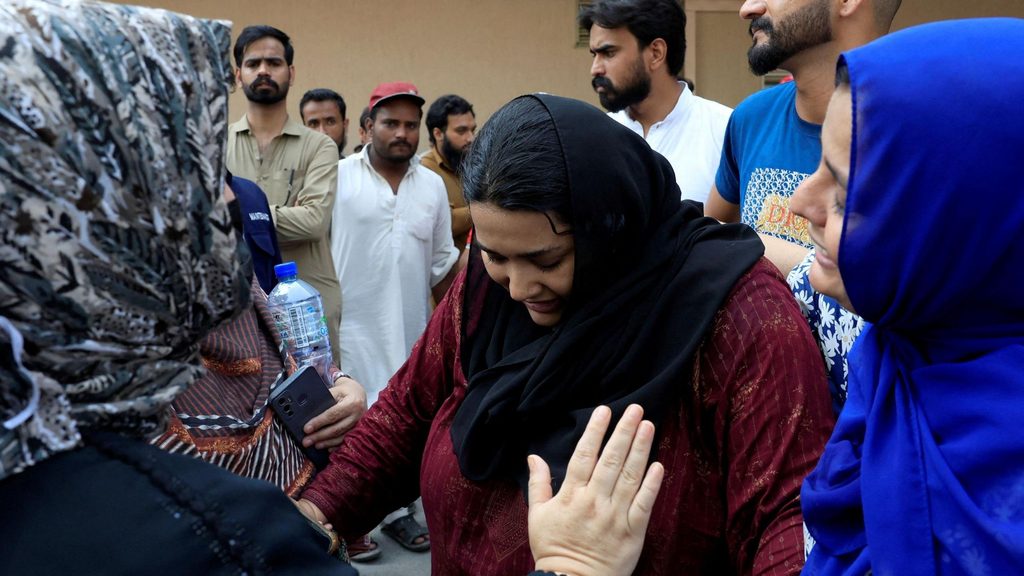
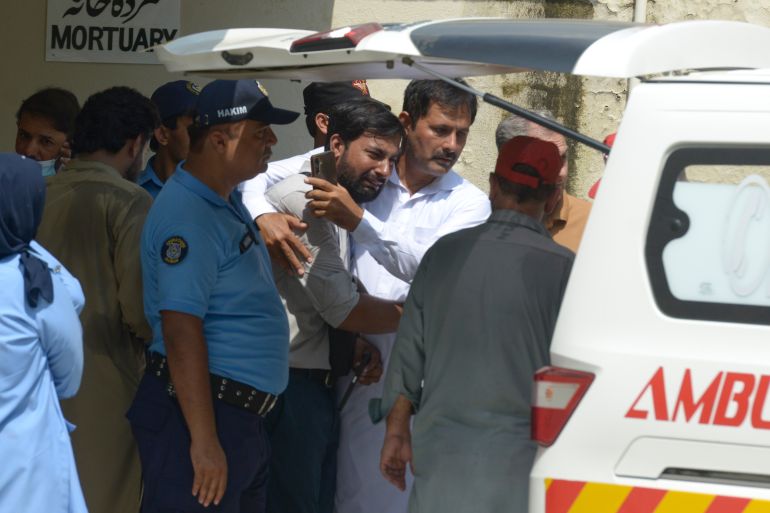
The death of 14 newborn babies in the Pakistan Institute of Medical Sciences (PIMS) hospital, PIMS Mother and Child Health Centre in Islamabad is a heartbreaking national tragedy. These were highly vulnerable newborns who were under medical care, and their families have suffered an unimaginable loss. The incident should therefore be treated not simply as a political controversy, but as a serious institutional safety failure that requires a professional, evidence based investigation.
At this stage, it is important to avoid turning the tragedy into a blame game or reducing the issue to demands for the resignation of a Minister , Secretary , Executive Director or any other individual. Resignations may be considered later if an inquiry establishes responsibility, but the first priority should be finding out exactly what happened, why it happened, who are responsible, and where the system failed.
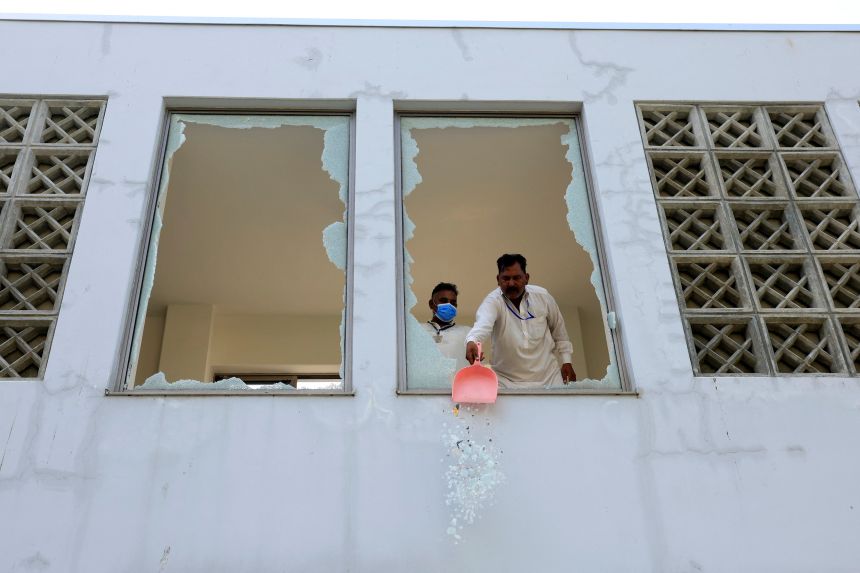
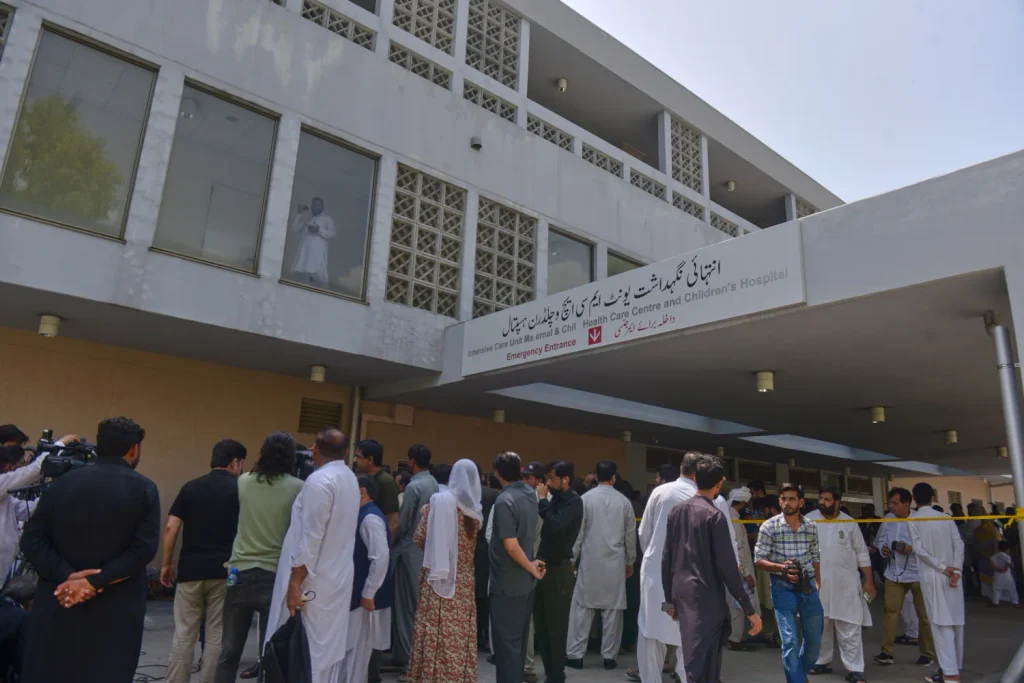
According to the information available so far, the fire broke out in the neonatal nursery on the third floor of the Mother and Child Health Centre on August 26, 2026, at around 6:40am. PIMS officials said that 15 newborns were present in the affected area and only one survived. The exact cause of the fire is still an important question. Initial reports pointed towards an air conditioner or electrical problem, while the preliminary PIMS report reportedly referred to an oxygen related nebuliser near an incubator. These different accounts show why a proper technical and forensic investigation is necessary before reaching any final conclusion.
The investigation should first establish exactly where and how the fire started. Was it an electrical fault, an air-conditioner problem, a mechanical failure, an oxygen related incident, a defective piece of medical equipment, or human error? It should also establish whether more than one factor was involved. The damaged equipment and wiring should be examined by qualified technical and forensic experts, and CCTV footage, electrical records, oxygen system records and statements of staff present at the time should all be reviewed.
The maintenance history of the nursery is also extremely important. Investigators should check the official records to find out when the AC was last serviced and inspected, who carried out the work, whether any fault had previously been reported and whether the required preventive maintenance was completed on time. The same review should be carried out for electrical wiring, oxygen systems, medical equipment, fire alarms, smoke detectors, sprinklers, fire extinguishers and emergency exits. If there were previous complaints about any of these systems, the inquiry should establish when the complaint was received, who received it and what action was taken.
The inquiry should also examine the daily safety arrangements of the hospital. What safety checks were being carried out every day? Were fire and emergency systems tested regularly? Were staff trained for a fire involving newborn babies? Were evacuation drills conducted? Were emergency doors and access routes always available? Were oxygen systems being used and maintained according to safety procedures? These questions are important because finding the source of the fire alone will not explain why such a large number of newborns could not be safely evacuated.
The role of PIMS management should also be examined fairly and according to the official chain of responsibility. The Executive Director or In charge of the hospital should not be blamed simply because he is the head of the institution, nor should he be cleared without examining the facts. The inquiry should identify which officers were responsible for engineering, electrical maintenance, AC and HVAC systems, medical gases, fire safety and emergency preparedness. It should then establish what reports reached senior management, what problems were known and what action was taken.
The Ministry of National Health Services also has an important oversight role that should be clearly examined. The investigation should establish which officials at ministry level were responsible for monitoring PIMS, what reports they received, whether any complaints about maintenance or safety reached the ministry, whether funds for repairs were requested or approved, and whether unresolved problems were followed up. If there was a serious safety issue that remained unresolved despite repeated warnings, the responsible people should be identified on the basis of records and evidence.
There should be no political or personal blame before the facts are known. If the inquiry finds that an individual was negligent, that person should be held responsible regardless of his or her position. If the problem was caused by failure of several departments, then responsibility should be fixed across the relevant departments. If it was an unexpected technical failure despite proper maintenance and safety arrangements, that fact should also be stated honestly. Accountability should be based on evidence, not on public pressure.
This incident should also lead to a complete safety review of hospitals across Pakistan, especially neonatal units, intensive-care units, operating theatres and other areas where patients cannot easily move out during an emergency. Every hospital should check its electrical systems, AC equipment, oxygen and medical gas systems, fire alarms, sprinklers, emergency exits, firefighting equipment, evacuation plans, staff training and maintenance records. These checks should not be carried out only after a tragedy. They should be part of regular hospital management and should be properly documented and monitored.
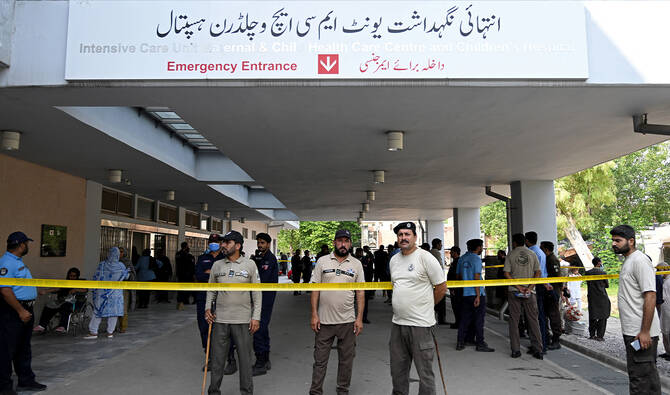
The death of 14 newborn babies is already an irreversible loss. The most responsible response is therefore not simply to demand someone’s resignation. The priority should be to find out exactly what happened, where the lapse occurred, who was responsible for preventing it, whether warnings were ignored, and what systems failed.
Once the facts are established, responsibility should be fixed without fear or favour. Most importantly, the lessons from PIMS must be used to improve fire and patient safety in every hospital so that such a tragedy is never repeated.
Author’s Note:
A qualified Economist with Honors and Master’s degrees, researcher, and senior energy sector executive. Formerly associated with world renowned organizations in leadership roles and a prolific writer / analyst on diverse contemporary issues since 2002.