By: Sada Cumber
History rarely changes in the moments that capture the world’s attention. Strategic transitions
usually begin quietly, as shifting political calculations and economic realities render long-
standing assumptions obsolete.
A Convergence of Regional and Domestic Pressures
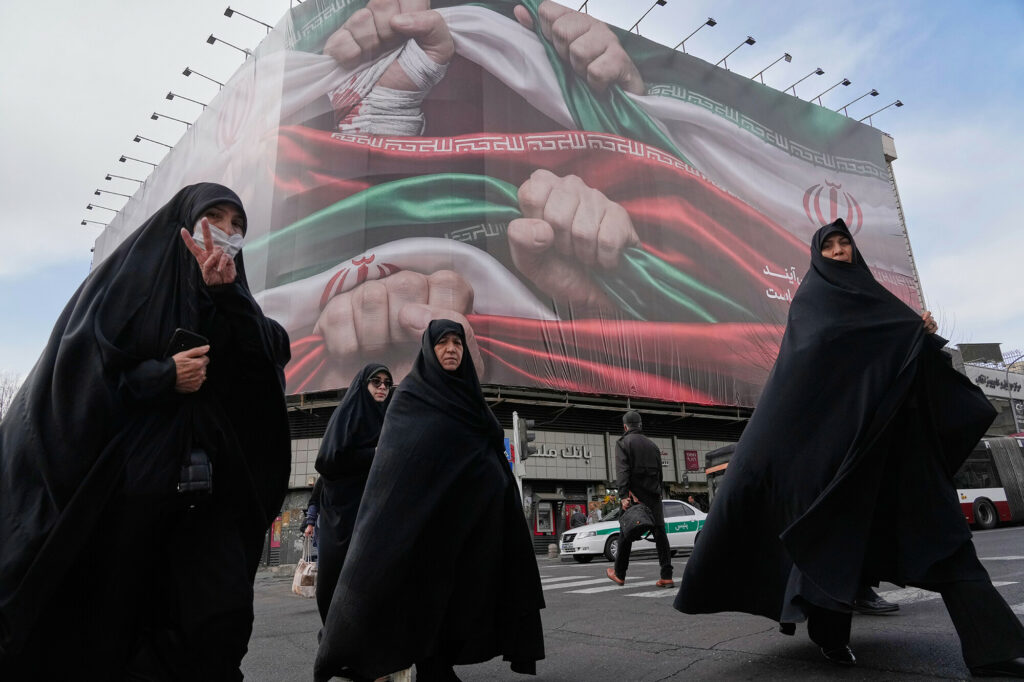
The current moment surrounding Iran may represent such a transition. Military confrontation has
revealed both power and the limits of force, while regional priorities have begun to shift. Across
the Gulf, governments are investing unprecedented resources in economic diversification,
technological leadership, and global competitiveness. The United States seeks to avoid another
prolonged regional conflict while focusing on broader strategic priorities. Iran, meanwhile, faces
mounting economic, demographic, and technological pressures that increasingly favor adaptation
over prolonged confrontation.
The Changing Strategic Environment
What makes the present moment distinctive is not any single development, but the convergence
of several trends that increasingly reinforce one another. Military restraint has created space for
diplomacy, while economic transformation has raised the cost of prolonged instability and
strengthened incentives for regional coordination. At the same time, a quieter transition may be
unfolding within Iran itself. A younger generation of leaders and technocrats appears
increasingly focused on national resilience, economic recovery, and state capacity alongside
ideological continuity. Together, these developments are reshaping strategic incentives — not
because historical differences have disappeared, but because the environment in which they are
managed is changing.
A New Generation of Iranian Leadership
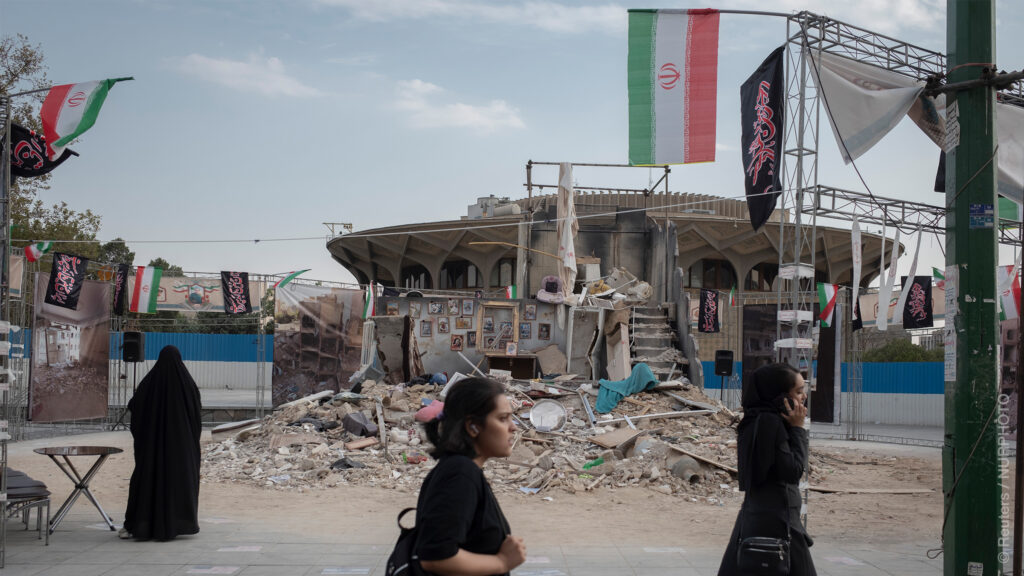
Today, the younger generation in Iran is poised to apply state craftmanship focusing on citizen
centric government policies in domestic and foreign affairs.
Regional Stability and Economic Competitiveness
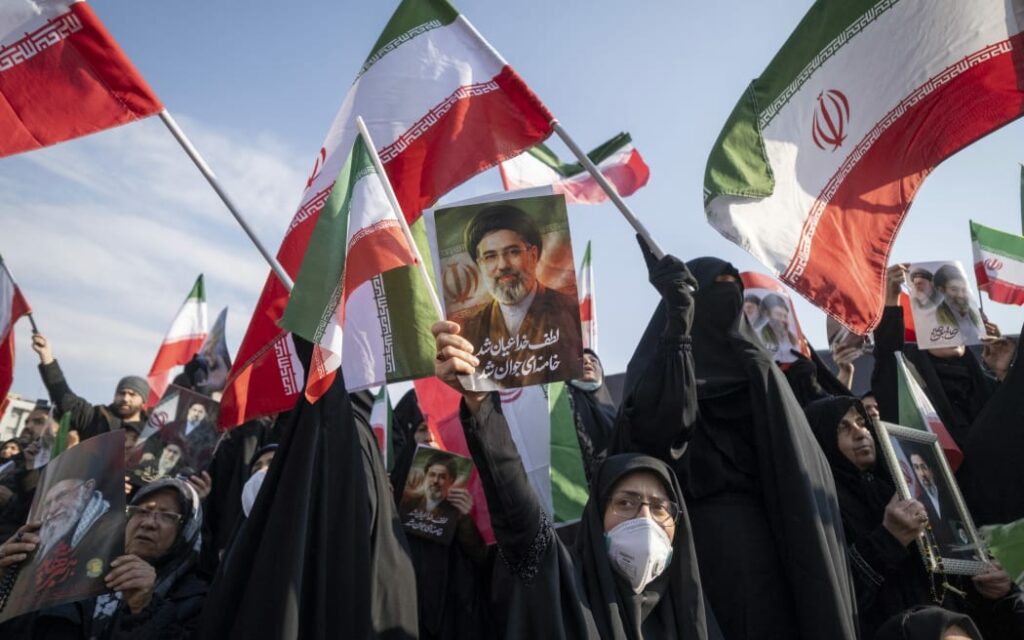
Regional incentives have changed accordingly. Instability now threatens not only security but
also economic competitiveness. Investors require predictability, supply chains depend on secure
maritime routes, and innovation requires long-term confidence. Stability has become as much an
economic imperative as a geopolitical objective. This evolution does not diminish traditional
security concerns — nuclear proliferation, ballistic missiles, proxy networks, and regional
rivalries remain central — but it reflects a growing recognition that military strength alone
cannot secure long-term regional success.
A Shared Interest in Preventing Regional War
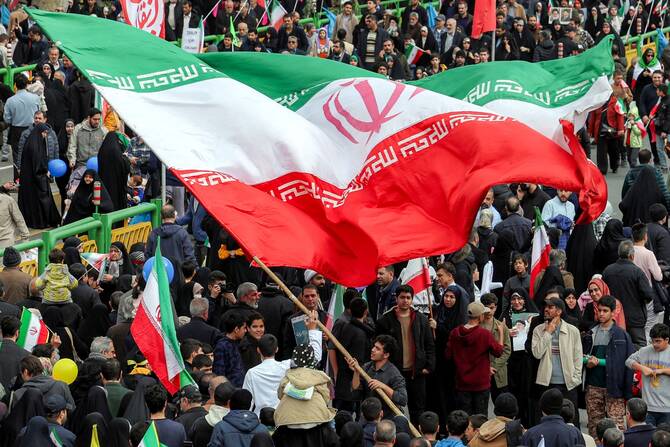
Although their objectives remain different, the principal actors increasingly share one overriding
interest: preventing another uncontrolled regional war. The United States seeks stability without
another open-ended military commitment; Israel seeks to translate military success into lasting
security; the Gulf states require regional stability to sustain their economic transformation; and
Iran increasingly faces the challenge of strengthening domestic resilience while preserving
strategic flexibility. This convergence neither eliminates profound differences nor implies greater
trust. It reflects a changing strategic reality in which the costs of confrontation continue to rise.
From Military Power to Economic Transformation
For decades, Middle Eastern politics revolved primarily around deterrence, containment, and the
balance of power. Increasingly, however, governments are also competing through economic
transformation, technological leadership, innovation, human capital, infrastructure, and regional
connectivity. Security remains indispensable, but prosperity is becoming equally strategic.
Iran’s Greatest Strategic Asset: Its People
This evolution also requires a broader understanding of Iran itself. International policy has
understandably focused on Iran’s government, nuclear program, and regional influence. Yet
Iran’s greatest long-term strategic asset is neither its energy reserves nor its geography, but its
people. With nearly ninety million citizens, strong scientific capabilities, entrepreneurial talent,
and one of the region’s largest diasporas, Iran possesses extraordinary human capital. Its long-
term competitiveness will increasingly depend upon its ability to mobilize that talent, strengthen
its institutions, retain skilled professionals, and reconnect with its global scientific and
entrepreneurial diaspora. Any long-term strategy that overlooks these potential risks addressing
today’s security concerns while missing tomorrow’s strategic opportunities.
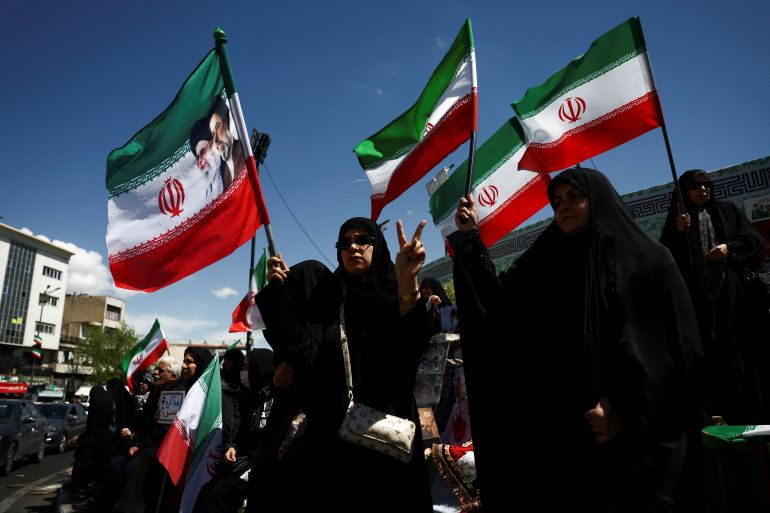
Possible Paths for Iran’s Future
The current transition could still evolve into managed de-escalation, prolonged strategic
competition, gradual institutional evolution within Iran, or renewed confrontation. Strategic
analysis cannot predict which outcome will prevail; its purpose is to recognize emerging patterns
early enough to influence them. Whatever path emerges, one lesson is already clear:
governments negotiate agreements, but societies determine whether they endure. Lasting peace
depends not only on diplomacy but also on stronger institutions, expanding opportunity,
scientific collaboration, education, innovation, entrepreneurship, investment, and the shared
interests that make future conflict progressively less attractive. Peace is not merely the absence
of war; it is the presence of opportunity.
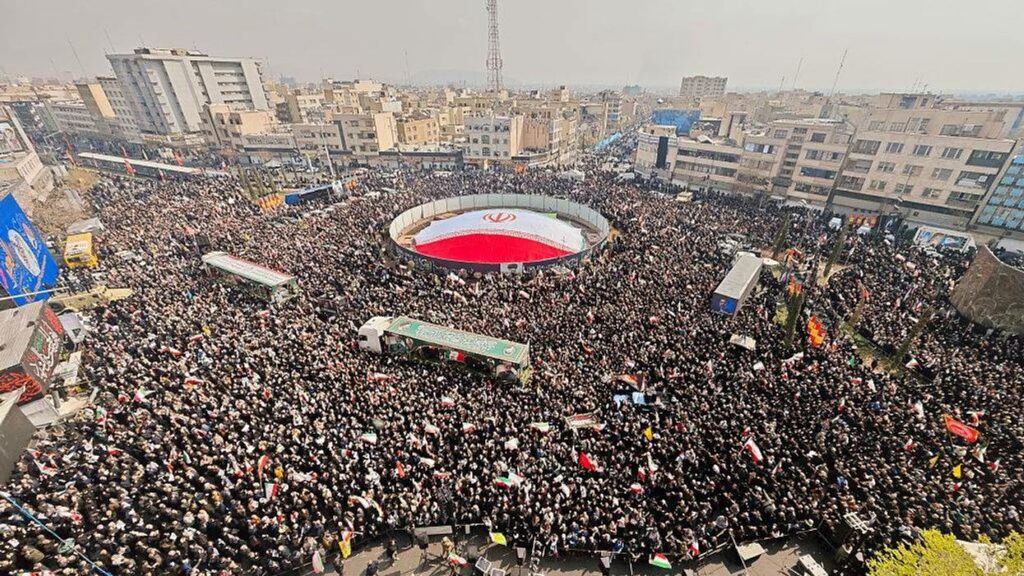
The Ceasefire as a Strategic Opening
The ceasefire should therefore be understood as more than the suspension of military operations.
It is a strategic opening whose success will depend not only on diplomats and military leaders,
but also on governments’ willingness to invest in the political, economic, institutional, and
societal foundations of lasting peace.
Building the Peace That Follows
Strategic leadership is ultimately measured not by the ability to predict the future, but by the
wisdom to recognize moments when history begins to change. The true measure of this moment
will not be who won the last military exchange, but who transforms a fragile ceasefire into the
foundation of a more stable, prosperous, and connected regional order. History rarely remembers
those who merely conclude wars. It remembers those who build the peace that follows.

About the author:
Sada Cumber is a Pakistani–American entrepreneur, philanthropist, and diplomat. He is an
expert on US foreign policy and national security issues. In 2008, President George W. Bush
named him the first U.S. special Envoy to the Organisation of the Islamic Conference, which
promotes Muslim solidarity in social and political affairs.