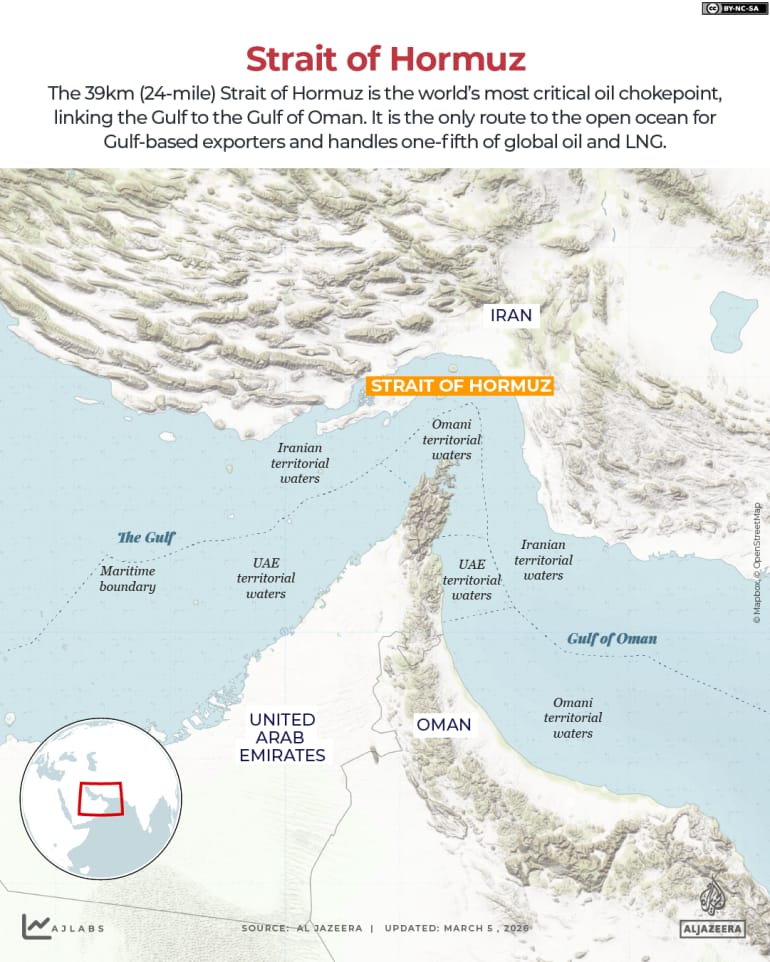
Washington: In an exclusive interview, energy expert Tariq M. Khan, affiliated with the US Department of Energy, has outlined the far-reaching consequences of escalating tensions around the Strait of Hormuz, warning of severe economic implications for energy-dependent nations, particularly in South Asia.
Khan highlighted that nearly 20 percent of the world’s oil supply passes through the Strait of Hormuz, making it one of the most critical energy chokepoints globally. Any disruption in this corridor, he explained, has immediate ripple effects on global oil prices and supply chains.
While the United States is relatively insulated due to its status as a net oil exporter, countries like Pakistan, India, and Bangladesh remain highly vulnerable due to their heavy reliance on imported energy.
Discussing Washington’s response to the crisis, Khan noted that the United States has relied on its Strategic Petroleum Reserve to stabilise domestic markets during supply shocks. Coupled with its vast domestic production capacity, this allows the US to cushion the economic blow of global disruptions.
He also pointed out that the US government has institutional mechanisms in place to provide subsidies and financial relief to its citizens in times of rising fuel costs.In contrast, Khan painted a concerning picture of Pakistan’s energy preparedness.
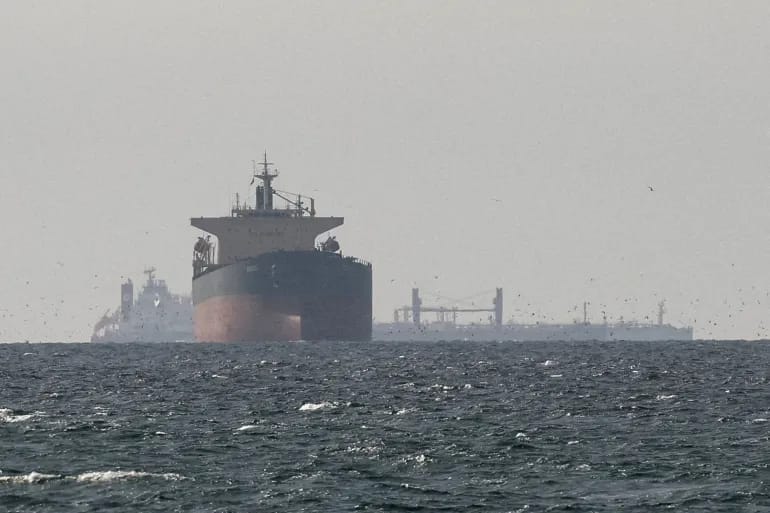
He revealed that the country maintains reserves sufficient for only about three days, leaving it highly exposed to external shocks. Compounding the issue is Pakistan’s long-standing circular debt crisis in the energy sector, which continues to undermine financial stability and disrupt supply chains.
Khan stressed that addressing these structural weaknesses requires more than short-term fixes. He called for a fundamental shift in leadership and governance, urging policymakers to adopt a long-term vision focused on economic stability and energy security.
According to him, sincere and decisive leadership is essential to steer the country out of its recurring crises.He further emphasised the need to improve Pakistan’s investment climate by ensuring political stability, strengthening security, and creating an environment conducive to foreign direct investment.
Encouraging tourism and building investor confidence, he said, are equally critical components of sustainable economic growth.On the energy front, Khan advocated for a dual strategy: enhancing domestic fossil fuel extraction while aggressively investing in renewable energy sources such as solar and wind.
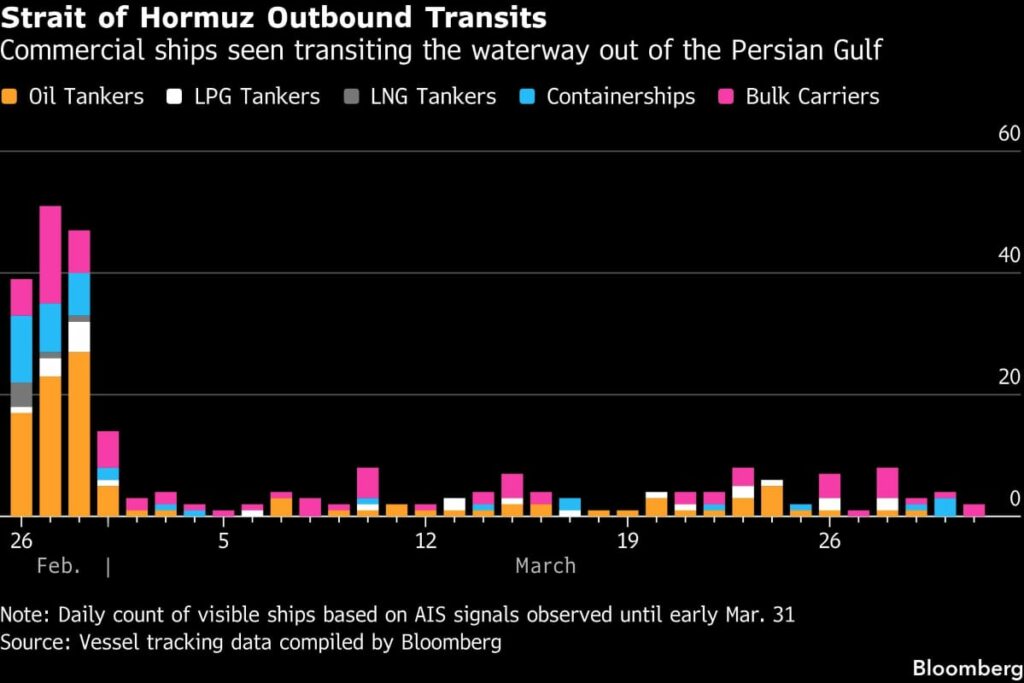
Picture Courtesy: Bloomberg
He argued that achieving energy independence is crucial for reducing reliance on volatile international markets and insulating the economy from geopolitical shocks.The expert also underscored the importance of national unity, noting that countries operate primarily in their own self-interest on the global stage.
Drawing comparisons with the influence of the Indian diaspora in the United States, Khan urged Pakistanis to overcome internal divisions and work collectively towards shared economic goals.
Concluding the discussion, Khan called for a renewed focus on domestic infrastructure development. He stressed the importance of building more commercial hubs, expanding refining capacity, and strengthening industrial foundations. Relying solely on foreign loans, he warned, is not a sustainable path forward for long-term economic resilience.
The interview presents a stark reminder of the interconnected nature of global energy markets and the urgent need for countries like Pakistan to adopt comprehensive reforms in order to navigate an increasingly uncertain geopolitical landscape.