Editor’s Global Brief: Special Report on US Iran war
After months of war, diplomatic deadlock, economic pressure, and regional instability, the United States and Iran have finally reached a landmark peace agreement. The deal, widely referred to as the Islamabad Memorandum, is being viewed as one of the most significant diplomatic breakthroughs of 2026, with Pakistan receiving international recognition for helping bring both sides to the negotiating table.
How the Conflict Began?
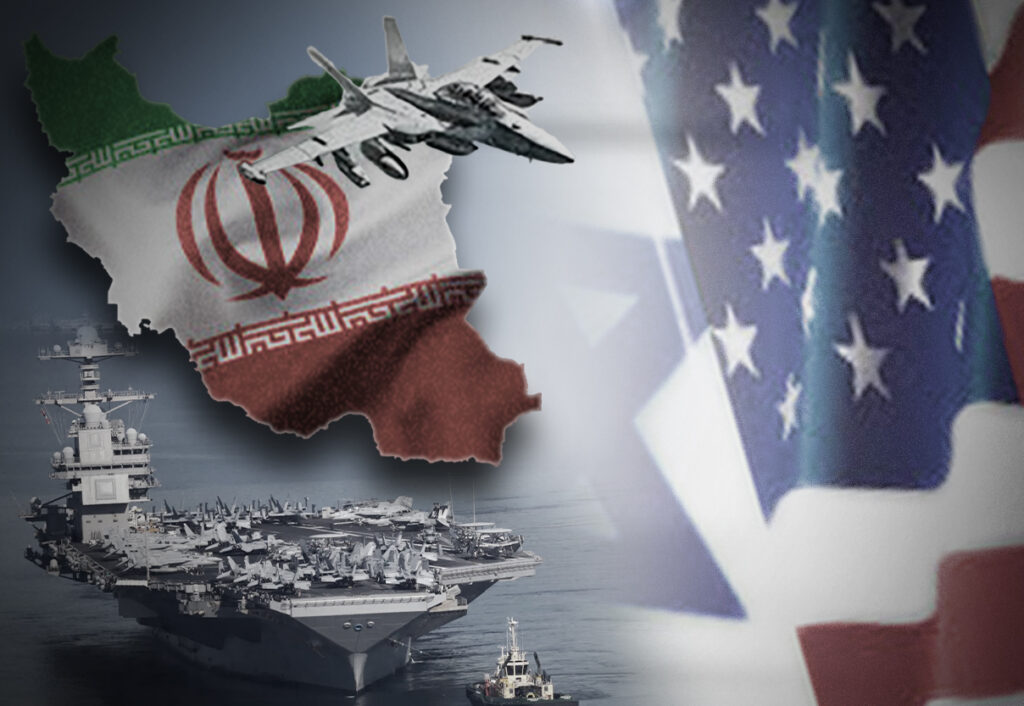
The current phase of the conflict began on 28 February 2026, when military tensions between the United States, Israel, and Iran escalated into open confrontation. The conflict quickly expanded beyond Iran’s borders, affecting regional security, energy markets, and maritime trade routes.
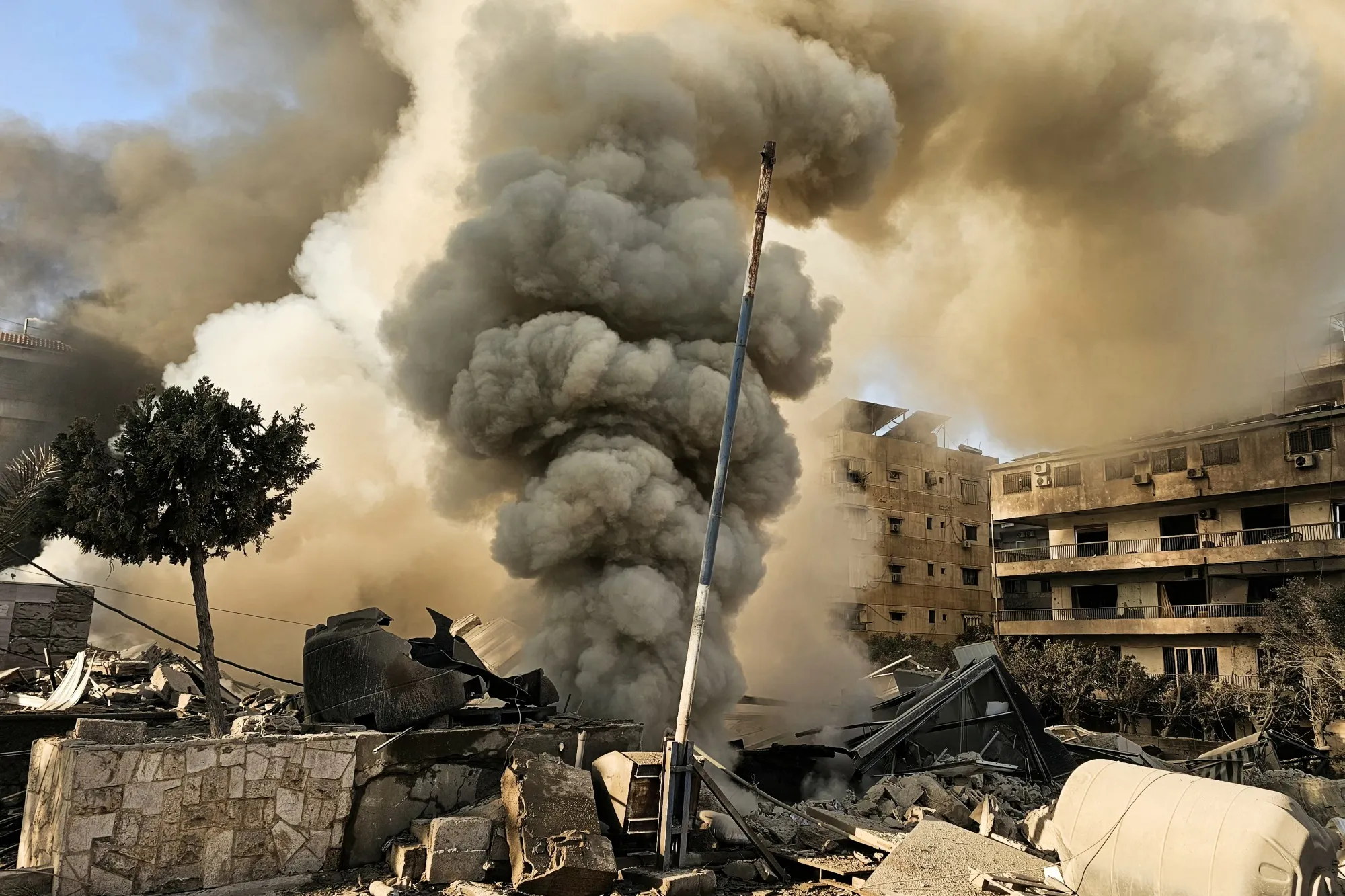
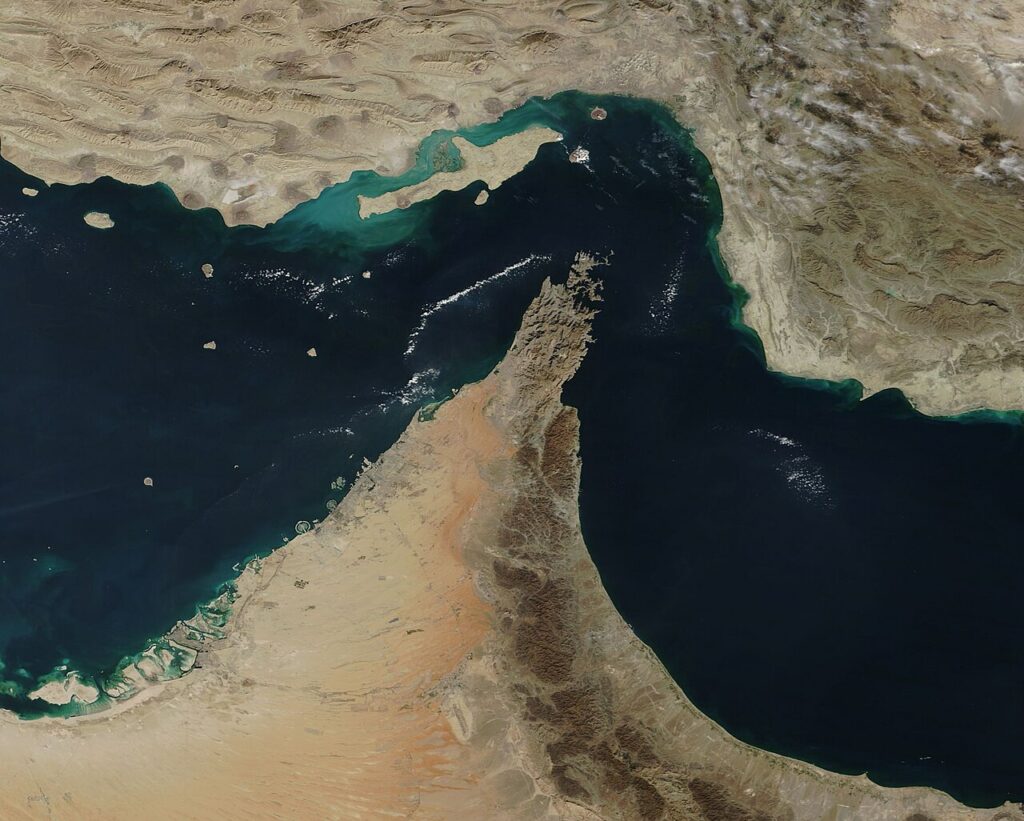
As hostilities intensified, concerns grew over the security of the Strait of Hormuz, a vital global energy corridor through which a significant portion of the world’s oil supply passes. The conflict also fueled instability in Lebanon and heightened fears of a broader Middle East war.
Pakistan’s Entry Into the Peace Process
With both Washington and Tehran refusing to back down, Pakistan emerged as an unexpected but influential mediator.
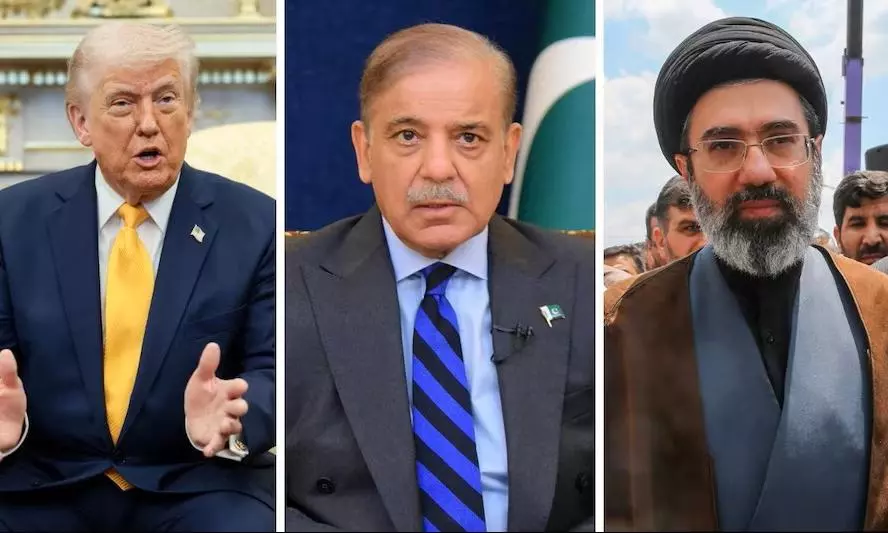
Leveraging its diplomatic ties with Iran, the Gulf states, and the United States, Islamabad launched a series of initiatives aimed at reducing tensions. Pakistan first helped facilitate temporary ceasefires before hosting direct talks between senior American and Iranian representatives in Islamabad. Although early negotiations failed to produce a final agreement, they laid the groundwork for future progress.
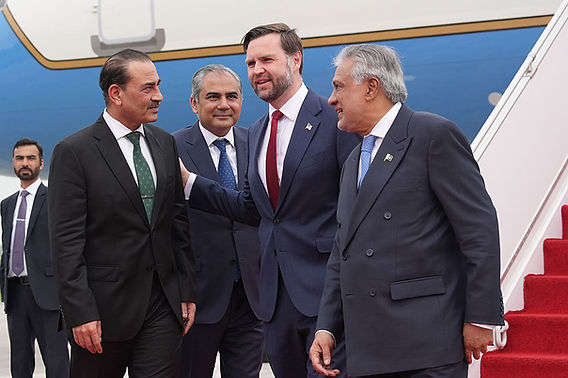
Pakistan’s leadership continued shuttle diplomacy throughout the crisis, working alongside regional partners including Qatar, Saudi Arabia, and Türkiye. These efforts ultimately contributed to a breakthrough that brought Washington and Tehran back to the negotiating table.
The Historic US–Iran Agreement
On 14 June 2026, both sides announced that they had reached an understanding to end military operations and begin a structured peace process. The agreement was later formalized through a 14-point Memorandum of Understanding known as the Islamabad Memorandum.
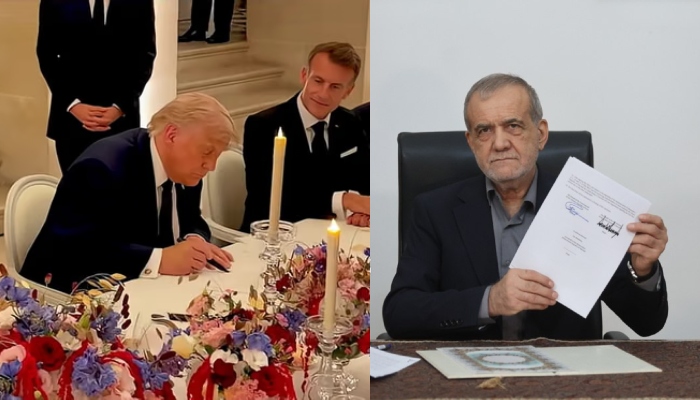
World leaders welcomed the agreement, praising Pakistan’s role in facilitating dialogue between two long-time adversaries.
Key Features of the Agreement
1. Immediate End to Military Operations
The agreement calls for the cessation of military actions across all fronts, including areas linked to the Lebanon conflict.
2. Sixty-Day Negotiation Period
A formal 60-day diplomatic process will begin to negotiate a comprehensive and permanent settlement. Talks are expected to continue in Switzerland under international supervision.
3. Economic Recovery Package
The United States has committed support for Iran’s economic recovery, with plans linked to approximately $300 billion in reconstruction and economic assistance mechanisms, alongside expanded financial licensing and investment opportunities.
4. Gradual Lifting of Sanctions
The memorandum outlines phased process for lifting American and international sanctions on Iran.
5. Strait of Hormuz Security
Iran has pledged to ensure safe passage for commercial shipping through the Strait of Hormuz, reducing concerns about disruptions to global energy supplies.
6. Nuclear Commitments
Iran reaffirmed that it will not pursue nuclear weapons and agreed to continued international oversight under the International Atomic Energy Agency (IAEA).
Lebanon and Israel: A Sensitive Issue
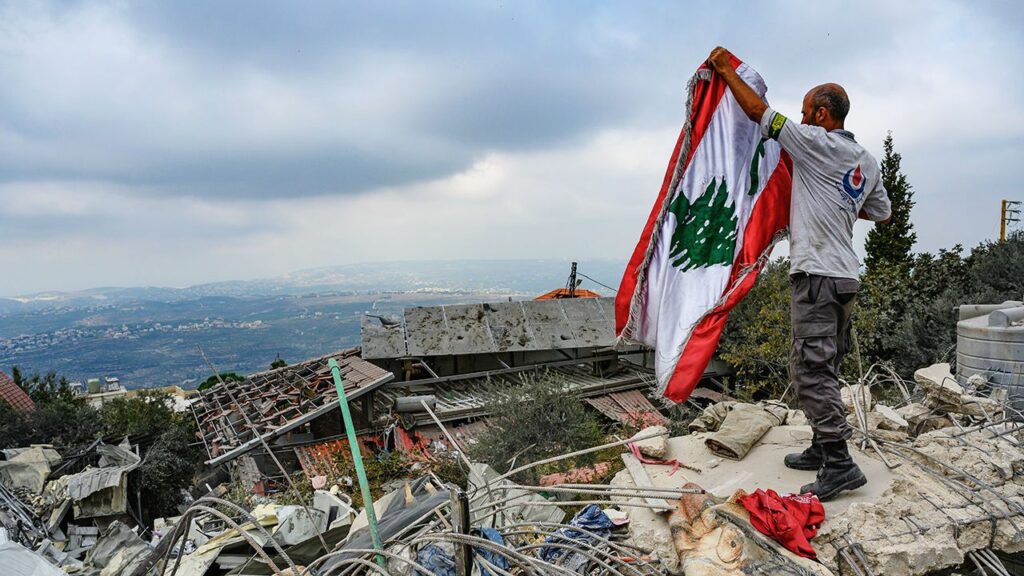
One of the most delicate aspects of the negotiations involved Lebanon and Israel.
According to reports surrounding the agreement, President Donald Trump emphasized that actions capable of undermining the peace process should be avoided. The memorandum includes provisions aimed at reducing tensions linked to Lebanon and regional proxy conflicts. Analysts believe stability in Lebanon will be essential for the agreement’s long-term success.
When Will the Deal Take Effect?
Implementation mechanisms are expected to begin immediately, while major provisions of the agreement are scheduled to be rolled out during the coming weeks as technical committees finalize procedures and oversight arrangements. The 60-day negotiation period will serve as the foundation for a more comprehensive peace framework.
A New Era for Iran
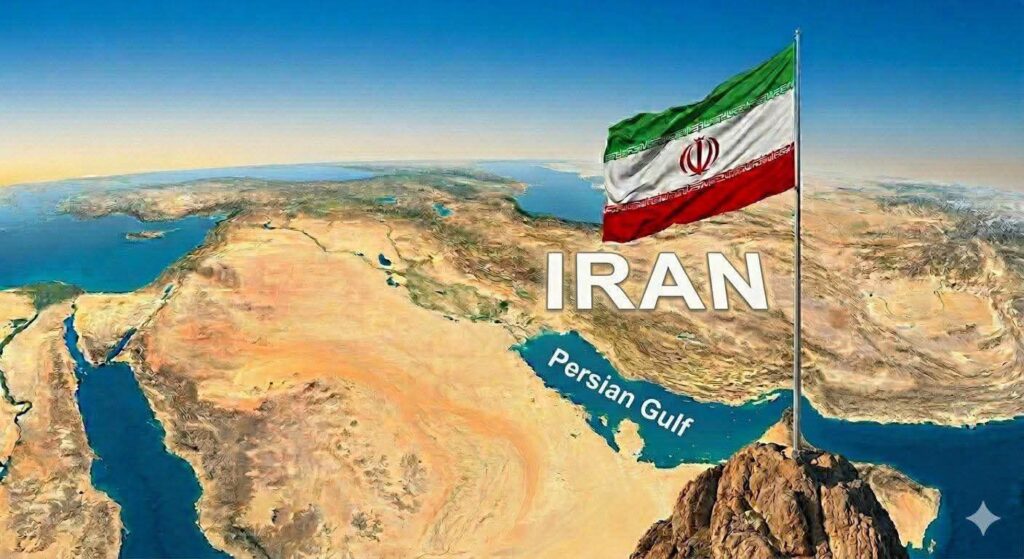
For Iran, the agreement could mark the beginning of a new chapter.
If fully implemented, sanctions relief, increased foreign investment, restored trade access, and reconstruction funding could help revive economic growth after months of conflict and years of economic restrictions. Analysts believe the deal may open opportunities for infrastructure development, industrial recovery, and renewed engagement with international markets.
Global Impact
The agreement is expected to have far-reaching consequences:
Reduced risk of a wider Middle East war.
Greater stability in global oil markets.
Improved security for international shipping routes.
Increased investor confidence across the region.
Potential reduction in tensions involving Lebanon and other regional flashpoints.
Enhanced diplomatic standing for Pakistan on the global stage.
Pakistan’s Diplomatic Mission Accomplishment:
The successful conclusion of the Islamabad Memorandum stands as a major diplomatic achievement for Pakistan. Throughout the crisis, Prime Minister Shehbaz Sharif and Field Marshal Syed Asim Munir remained actively engaged with regional and global leaders, maintaining continuous diplomatic outreach aimed at reducing tensions and promoting dialogue.
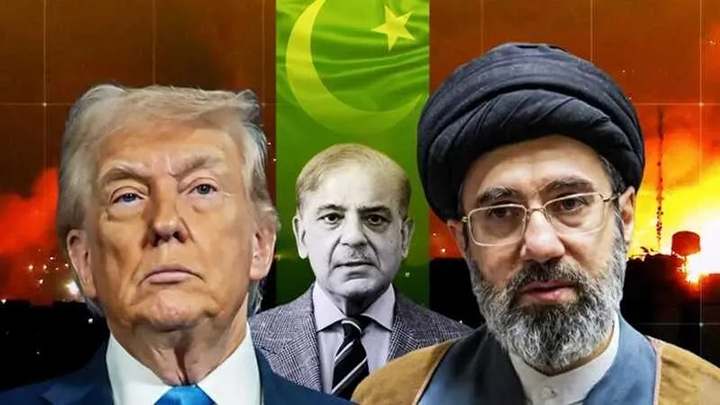
Their coordinated efforts, alongside Pakistan’s diplomatic corps, helped create an environment conducive to negotiations between the United States and Iran. The agreement has reinforced Pakistan’s image as a responsible and credible mediator, capable of contributing meaningfully to international peace and regional stability.
This diplomatic success is expected to strengthen Pakistan’s standing on the global stage and may open new avenues for strategic cooperation with key international partners.
Conclusion
The US–Iran agreement represents more than just the end of another chapter of conflict. It is a diplomatic milestone that could reshape regional politics and economic relations across the Middle East.
For Pakistan, the agreement has elevated its role as a mediator capable of bringing adversaries together. For Iran, it offers the possibility of economic recovery and reintegration into the global economy. For the wider world, it provides a rare opportunity for stability in one of the most strategically important regions on Earth.
Whether this breakthrough becomes a lasting peace will depend on the successful implementation of the agreement over the next 60 days. But for now, diplomacy has achieved what months of conflict could not.