By: Siraj Narsi
As we celebrate the Defense of Pakistan Day, September 6, with traditional national resolve to
protect our homeland against any aggression, and while the memories of the May 2025 war are
still fresh, the talk of another showdown between India and Pakistan continues to surface. An
objective analysis of the current ground realities in South and West Asia suggests that another
military confrontation would be reckless, dangerous, and pointless. Keeping political and
geographical disputes aside, a sober assessment of the problems faced everyday by people in both
countries clearly indicates that another war between the two countries makes no sense at all.
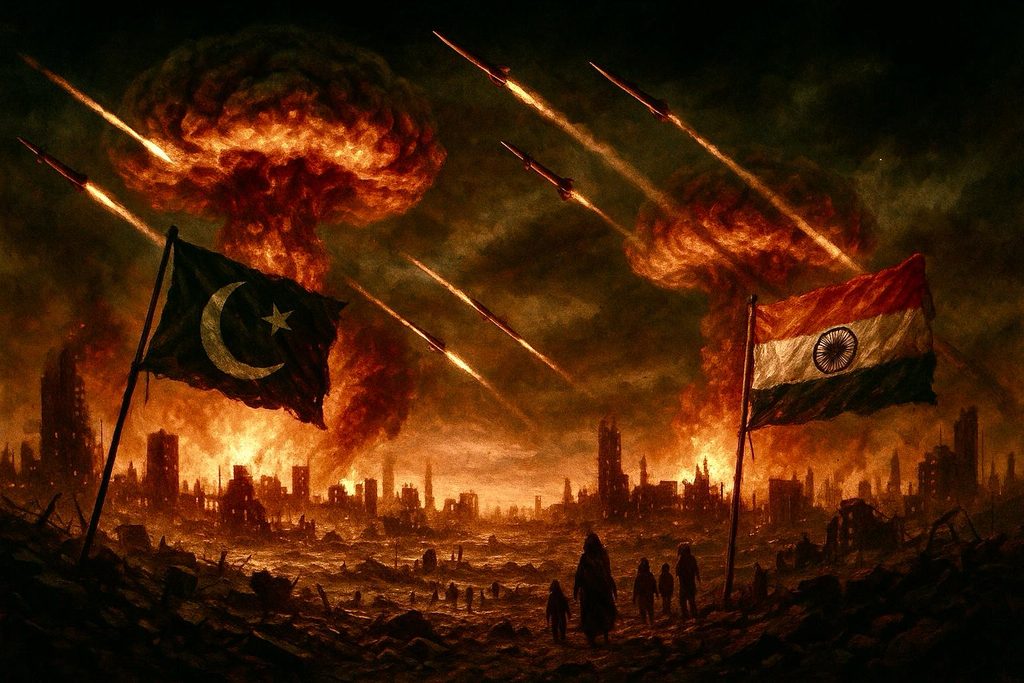
To begin with, the stakes are existential. Pakistan views Indian aggression not as a routine border
dispute, but as a direct threat to its very survival. Both neighbors are recognized nuclear powers.
Pakistan has maintained a strict track record as a responsible nuclear state, refusing to use its
ultimate weapons in past conflicts. However, nobody can guarantee what happens if one nation
feels pushed past the edge, and other driven by an ideological pipe dream. In a full-blown war, the
actual use of key deterrence would be disastrous, with consequences that would reach far beyond
the borders of South Asia.
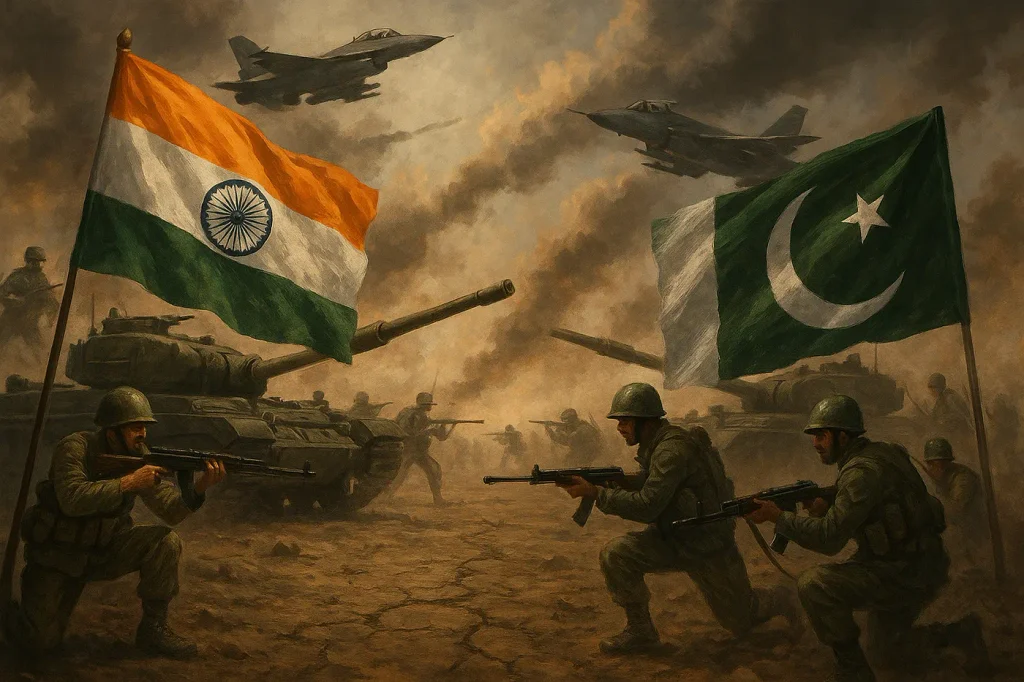
The battlefield reality has also changed. The May 2025 clash proved that Pakistan holds a decisive
edge in advanced military technology and operational skill. Pakistan’s tactical approach caught
military planners around the world by surprise, and today India may be trying to copy Pakistan’s
strategies and high-tech playbook to catch up. With Pakistan continuing to innovate and stay steps
ahead in this tech race, any Indian attempt to achieve an easy conventional victory is unrealistic.
Backing this technological capability is China. As an “all-weather friend,” China provides Pakistan
with steadfast diplomatic cover and advanced military hardware, weapons and integrated
aerospace technology. A fight with Pakistan is not an isolated local skirmish as it faces an
integrated military structure backed by the manufacturing and technological weight of a global
superpower.
On the diplomatic front, the balance has shifted sharply in Pakistan’s favor. The landmark Mecca
Pact fundamentally transformed regional security architecture, bringing key Middle Eastern
Muslim countries closer to Islamabad. When war erupted between the US, Israel, and Iran,
Pakistan did not get dragged down. Instead, it stepped up as a respected and mature middle power,
uniting a broad coalition of Muslim nations while keeping strong working relationships with
Washington, Beijing, and other major world capitals. While Pakistan gained international
recognition as a steady and constructive diplomatic player, India found itself increasingly isolated
and sidelined in regional diplomacy, struggling to remain relevant in Middle Eastern and West Asia
affairs.
Yet the most compelling argument against war is not based on military and/or diplomatic
advantage. It is found on the streets of Delhi, Lahore, Mumbai, and Karachi, where our shared
humanity makes the ground realties even more tragic. In both nations, millions of people do not have clean drinking water, decent education and healthcare, reliable electricity, and three proper
meals a day. In Pakistan, poverty rates remain stubbornly high, and a significant number of the
population living below the poverty line amid persistent economic challenges. In India, despite
high GDP growth numbers, a sizeable number of people still struggle under the lower-middle-
income poverty line.
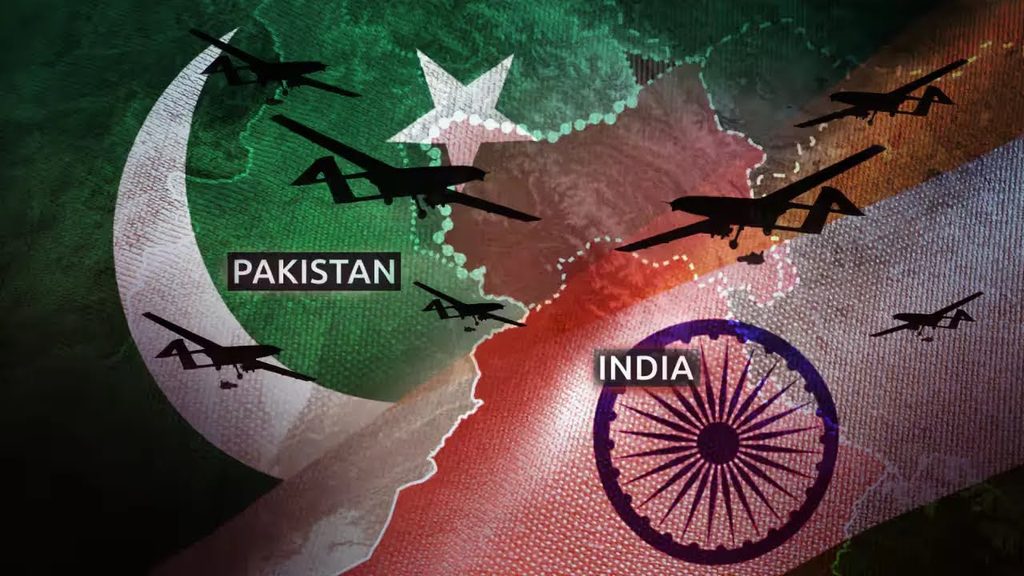
In both countries, tens of millions of young people are desperate for jobs. They are graduating
without clear prospects, watching their dreams fade while billions of dollars are spent on missiles,
fighter jets, and military hardware. How can two nations justify spending vast fortunes preparing
to destroy one another when so many of their own citizens cannot afford a basic living?
Looking back over our shared history reveals an inescapable truth: both countries have already
fought four wars, and not a single one has achieved anything for the progress and welfare of our
people or the resolution of decades old disputes. All they have ever done is satisfy national egos
and leave behind grief. War as a means to settle disputes is a wasted investment; it is an
extraordinarily costly affair where even the “winner” walks away worse off.
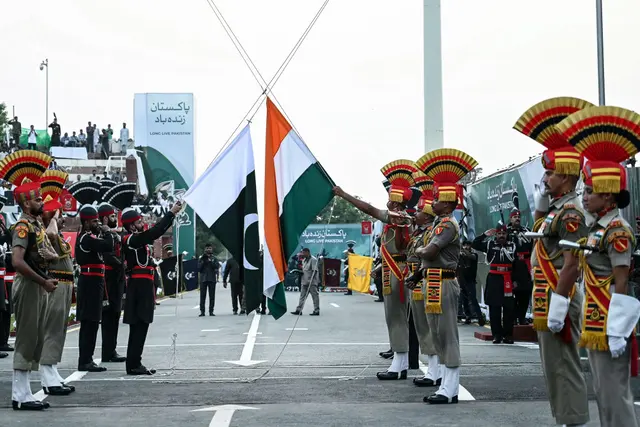
There is no doubt that serious territorial disputes and deep ideological differences exist between
the two countries. But the only sensible way to resolve them is through persistent negotiations and
talks. Both sides must learn to cooperate as neighbors with a focus on improving the lives of their
people. We share centuries of intertwined history, common aspects of culture, shared languages,
art, and literature. When the toxic nationalist jingoism is set aside, everyday people on both sides
still hold genuine warmth and affection for one another. Even during these most tense times,
Indians eagerly binge Pakistani television dramas, and Pakistanis continue to enjoy Indian movies
and music. The cultural bond has never truly severed.
It is time for the leadership on both sides to face the reality. We can change our friends, but we
cannot change our neighbors. The real test of statesmanship is not beating war drums on television
to win domestic cheers, but having the courage to build bridges, open trade, and accept one another
as permanent neighbors. This demand falls especially heavily on India’s leadership, which must
abandon the dangerous, outdated ideology of “Akhand Bharat.” Fantasies of regional domination
only breed instability in the region.
South Asia cannot afford another war. Peace, dialogue, and mutual respect are the only sensible
way forward—for the people of Pakistan, for the people of India, and for the security of the entire
world. Lasting peace would bring prosperity to both peoples and the region.
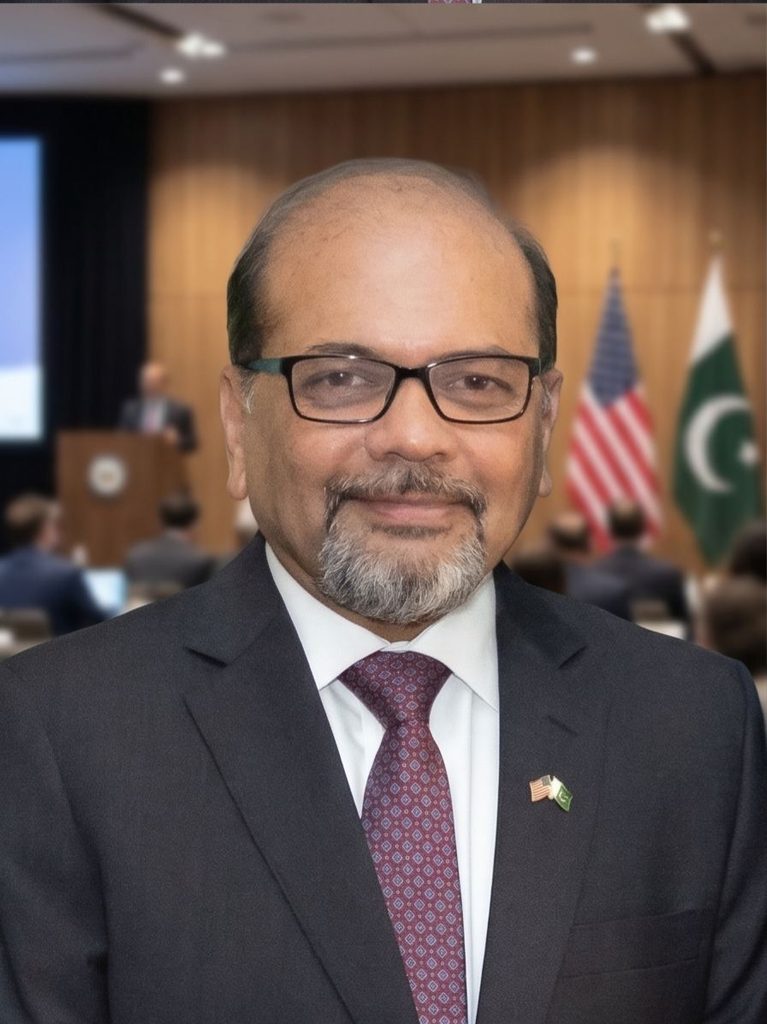
About the Author:
Siraj Narsi is a Business Finance professional, a filmmaker, writer and an active
community volunteer. He sits on the executive and advisory boards of several non-profit
organizations, and serves as President of Pakistan Association of Greater Houston.