By: Syed Feroz Ahmed
Recent developments in the Middle East have drawn attention to ongoing tensions involving Iran. Discussions around leadership figures such as Donald Trump have highlighted the potential political and economic impact of these tensions on global stability.
There are encouraging signs that Iran may be open to dialogue. This willingness is an important step toward reducing tensions and creating space for peaceful solutions. Diplomatic signals and indirect exchanges suggest that efforts are being made to maintain communication and avoid escalation.
In this context, Pakistan is increasingly viewed as a constructive and supportive player. While not formally a primary mediator, Pakistan is positioned to facilitate communication due to its balanced relations with key countries, including Iran, the United States, and regional partners such as Saudi Arabia and United Arab Emirates.
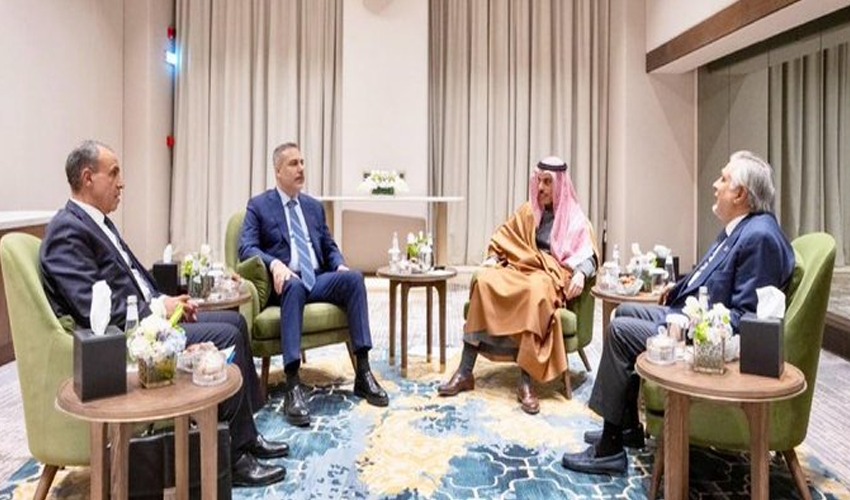
Pakistan’s diplomatic engagement can help build trust between the United States and Iran. Direct communication between these countries is often limited, and neutral countries like Pakistan can play a valuable role in conveying messages, keeping diplomatic channels open, and reducing misunderstandings.
Such indirect engagement is essential in preventing conflict and fostering future negotiations.
Even small diplomatic steps such as limited agreements or reductions in regional tensions can gradually strengthen confidence between the parties. Over time, these efforts may support more stable relations and contribute to broader regional peace.
Discussions in diplomatic circles suggest the possibility of indirect or facilitated engagements involving U.S. and Iranian representatives, with countries like Pakistan providing support. While sensitive and not always publicly confirmed, such developments reflect trust in Pakistan’s diplomatic role.
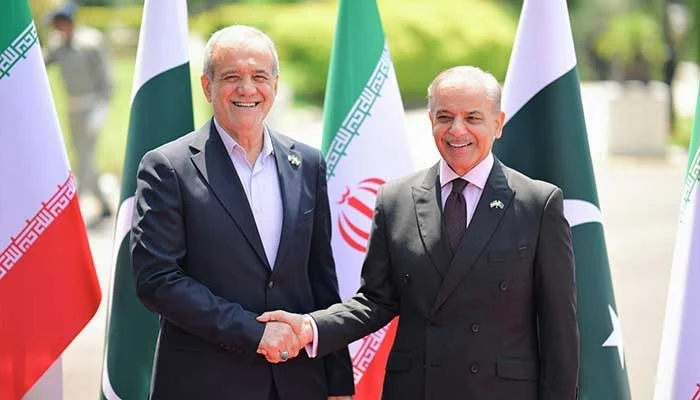
Challenges remain, including geopolitical constraints and differing regional interests. Progress will require sustained commitment from all parties, and success is often incremental rather than immediate.
However, consistent diplomatic engagement and open communication are key to reducing tensions and promoting stability.A constructive diplomatic role also has the potential to strengthen relations between the United States and Pakistan.
Past challenges in the bilateral relationship could be mitigated through cooperative efforts to promote peace, creating opportunities for greater partnership.
The world is at a critical moment, where peace depends on patience, dialogue, and teamwork between nations. Pakistan’s careful and balanced diplomacy shows that countries can reduce tensions between Iran and the United States while keeping the region safe. By encouraging talks, clearing misunderstandings, and promoting cooperation, Pakistan is helping build a future where diplomacy, not conflict, defines the future.