By: Siraj Narsi
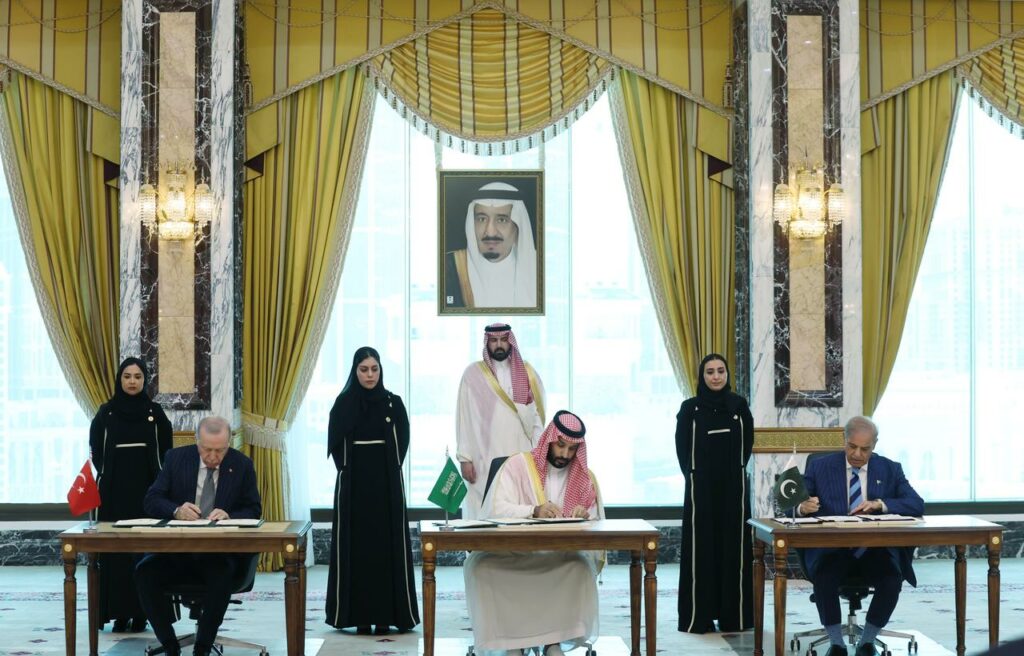
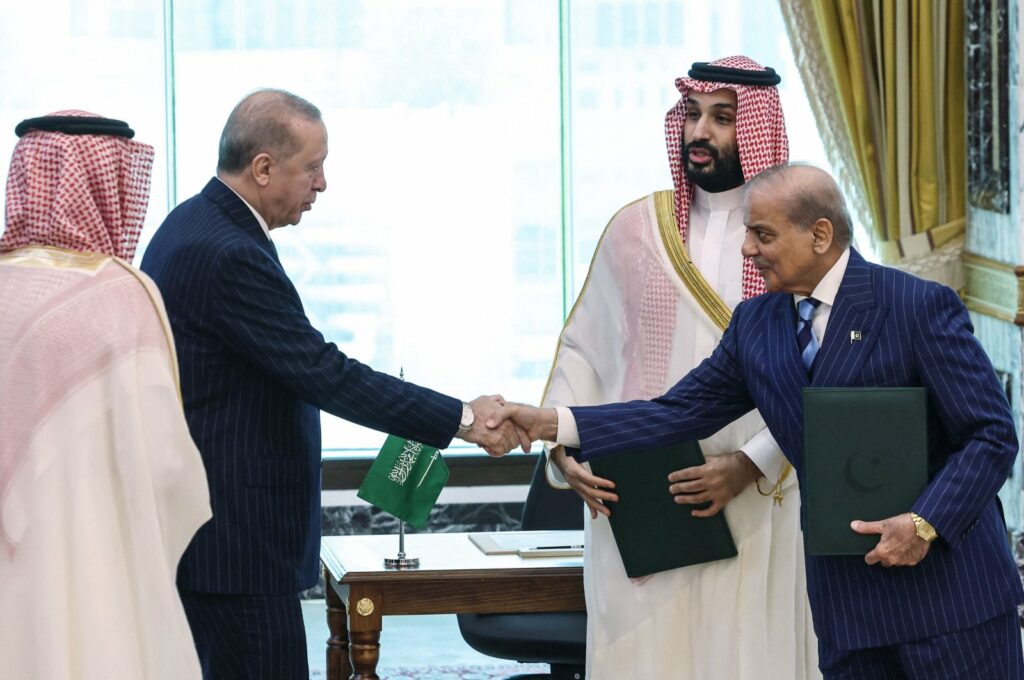
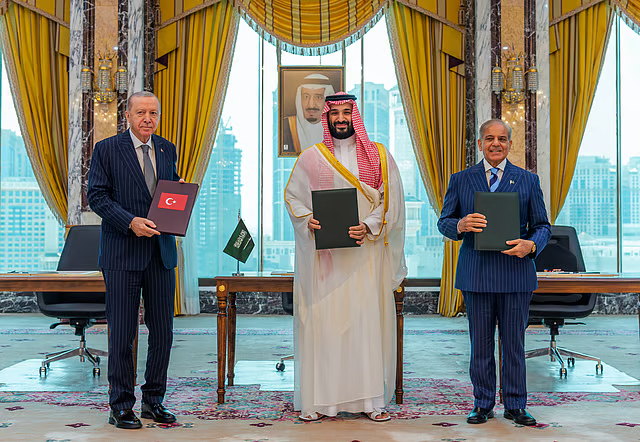
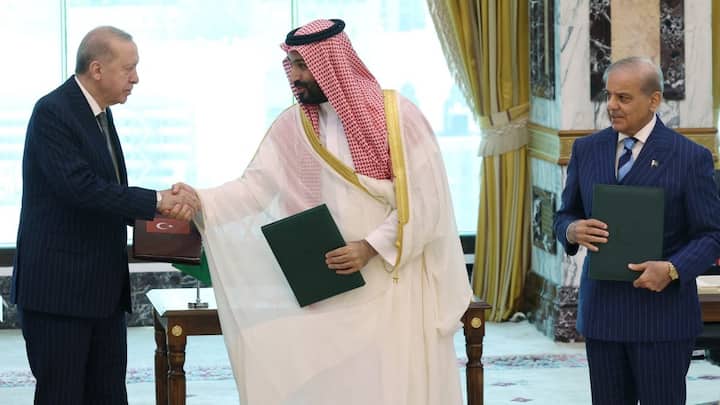
The signing of the landmark trilateral defense pact in Mecca between Pakistan, Saudi Arabia and Türkiye has fundamentally altered the West Asia power architecture in ways that would have been unthinkable just a few months ago. The underlying force driving this profound reordering-the most significant structural shift in global geopolitics in decades, with implications that will resonate for generations-is the emergence of Pakistan as a central regional heavyweight with global influence. By showcasing both its battle-tested military capacity and astute, sophisticated diplomacy, Islamabad has reordered the global power base on its own terms. Crucially, it has done so while preserving excellent, balanced diplomatic relationships across all major global power centers, from Washington to Beijing and Moscow. By pooling Saudi financial weight, Türkiye’s advanced NATO-grade defense industry, and Pakistan’s strategic capability and nuclear deterrence, the Mecca Pact establishes an independent security umbrella capable of underwriting regional peace on its own terms and rendering old hegemonies obsolete.
India’s Miscalculation and Pakistan’s Strategic Mastery
The genesis of this massive geopolitical alignment traces back sixteen months to May 2025, when Indian arrogance and Narendra Modi’s delusional obsession with “Akhand Bharat” led him into the biggest miscalculation of his political life. Intoxicated by its global power myth and operating on the flawed premise that Pakistan’s economic and political struggles made it ripe for a quick walkover, New Delhi launched a reckless military aggression designed to signal total dominance. Instead, India met a swift, decisive and shocking defeat that shattered its narrative of military superiority. Yet, the true masterstroke lay in what followed: Pakistan did not merely rest on its May 2025 military triumph; with remarkable strategic vision, Islamabad leveraged that battlefield victory as a springboard for an even grander diplomatic offensive. By converting military triumph into sophisticated global diplomatic leverage, Pakistan demonstrated the intelligence of using military strength to forge a broader international diplomacy that ultimately benefits global stability. Compounding its own failure, New Delhi attempted to weaponize the Indus Water Treaty-threatening the water supply of 250 million people-a desperate move that stripped away India’s claim to moral leadership and left it diplomatically isolated on the world stage.
Israel’s Overreach and the Limits of Western Power
In a separate yet strikingly similar act of hubris, Benjamin Netanyahu mimicked Modi’s misadventure by launching his own aggressive strikes against Iran. Driven by the ideological dream of “Greater Israel,” Netanyahu made the exact same mistake India had committed months earlier: severely underestimating his opponent. Assuming that high-tech airpower and mighty aggression would force a rapid collapse of Iran, Tel Aviv provoked a conflict that quickly turned into a strategic disaster. Five weeks of fierce Iranian resistance-marked by an undeniable strategic chokehold over the Strait of Hormuz and the questionable effectiveness of expensive western defense systems-proved that Israel’s military might had little utility against a presumably weaker opponent. Netanyahu’s gamble proved to be an even greater failure than Modi’s. By dragging Washington into a costly, unwinnable confrontation that exposed the limits of Western military power, Tel Aviv forced the U.S. into ceasefire negotiations from a position of weakened influence. Rather than projecting strength, the misadventure eroded American credibility across the Middle East, demonstrating to allies and adversaries alike that military dominance can no longer guarantee political outcomes.
Pakistan as the Regional Net Security Guarantor
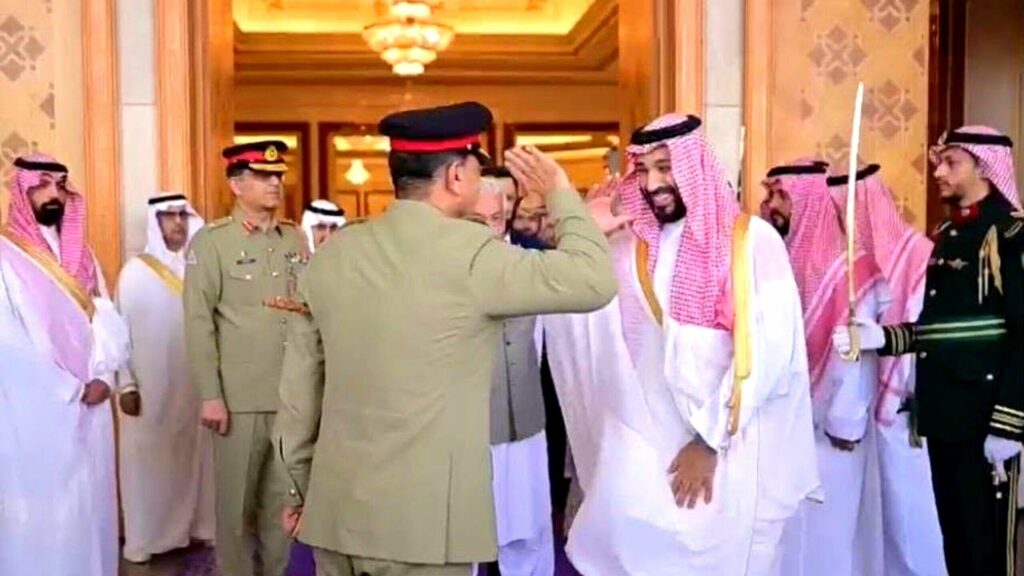
Amid the fallout of these dual miscalculations, Pakistan emerged as the indispensable net security guarantor and chief diplomatic mediator of the region. Through its calculated and pragmatic moves, Pakistan has singlehandedly shattered the expansionist dreams of both “Akhand Bharat” and “Greater Israel.” Recognizing that the U.S.-Iran confrontation threatened to ignite a third world war, Islamabad stepped in to facilitate ceasefire negotiations, neutralizing the wider conflict Tel Aviv had counted on. Navigating unhelpful and misguided friction from the UAE, Pakistani diplomacy brought together the core centers of gravity across the Islamic world- Qatar, Saudi Arabia, Türkiye and Egypt. Islamabad then achieved the ultimate diplomatic breakthrough by bridging the historically cool relations between Ankara and Riyadh, paving the way for the Mecca Pact.
The Desperate India-Israel Axis
The frantic, joint reaction from New Delhi and Tel Aviv following the Mecca summit clearly exposed their shared desperation. Having lost its diplomatic leverage and isolated on the international stage, India felt compelled to cozy up to Netanyahu’s government. In doing so, New Delhi openly aligned itself with a globally recognized apartheid state and a deeply disliked leader, exposing the moral bankruptcy of its foreign policy. Rather than projecting power, this desperate India-Israel axis merely highlighted how marginalized both leaders have become in the face of a reordered regional power structure engineered by Pakistan. This reaction also proved that Modi’s Israel visit just prior to Israel/US attack on Iran was not a mere coincidence but likely points to India’s complicity.
A New Era of Regional Realities
The events of the last sixteen months carry an unmistakable lesson for hegemons. For the world to escape a state of perpetual crisis, Narendra Modi and Benjamin Netanyahu must get a reality check and give up their delusional dreams of “Akhand Bharat” and “Greater Israel.” Though their military adventures were separate, both leaders fell victim to the same dangerous hubris, bringing immense death, economic turmoil, and global instability without achieving their misplaced goals. Middle powers like Pakistan and Iran have proven that they are the new permanent, formidable centers of gravity in the region with global influence. The sooner New Delhi and Tel Aviv abandon their expansionist fantasies and respect their neighbors’ sovereignty, the sooner the world can move toward lasting peace.
Author Profile
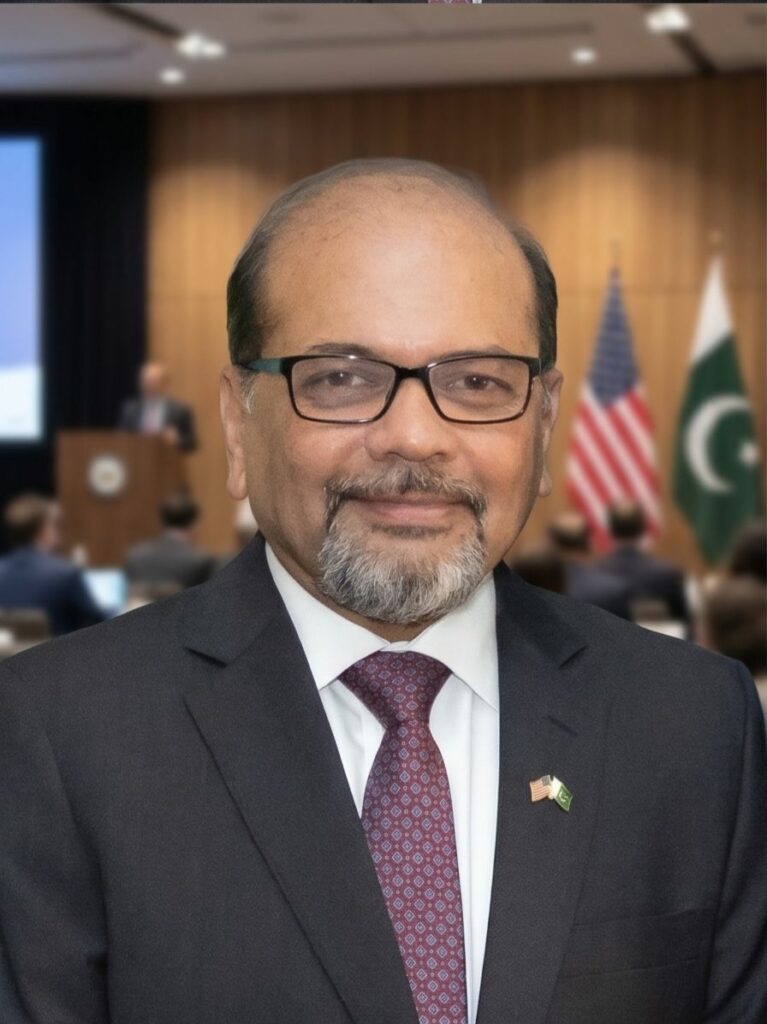
About the author: Siraj Narsi is a Business Finance professional, a filmmaker, writer and an active community volunteer. He sits on the executive and advisory boards of several non-profit organizations, and serves as President of Pakistan Association of Greater Houston.