Washington/Tehran/Doha: The ongoing conflict involving Iran, Israel, and the United States is entering a more volatile phase, with rising regional tensions, strategic disagreements, and growing risks of a wider war.
Recent developments suggest a shift from conventional confrontation toward a more complex and unpredictable geopolitical crisis.
According to multiple reports, the United States is actively considering broader military options against Iran, with President Donald Trump reportedly preparing contingency plans for a potential invasion.
This comes at a time when domestic pressure is also mounting within the U.S., reflecting concerns over the scale, cost, and long-term consequences of such a move.
On the battlefield, Iran appears to be avoiding a traditional war of attrition. Instead, it has adopted a strategy focused on high-impact strikes, targeting critical energy infrastructure in Gulf countries and key military sites in Israel.
This approach is designed to create economic and strategic pressure rather than relying solely on prolonged military engagement.
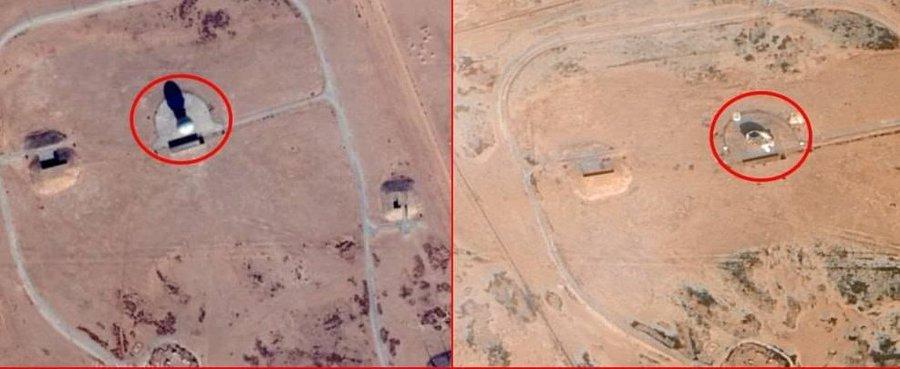
Meanwhile, technological developments are adding a new dimension to the conflict. Reports indicate that Chinese satellite capabilities have made it increasingly difficult for the United States to conceal troop movements and military assets, raising concerns about operational security and strategic transparency.
Political tensions are also surfacing within the U.S. administration. President Trump has reportedly initiated legal action against a former associate who resigned in protest over the war, signaling internal divisions regarding the handling of the conflict.
Israel’s role in the escalation is becoming increasingly controversial. Sources suggest that Israeli forces have conducted strikes on Iranian oil infrastructure without prior coordination with Washington, raising questions about strategic alignment between the two allies.
This has reportedly led to friction, with the U.S. concerned about being drawn into a broader regional escalation.
Financial strain is another growing concern. The Pentagon is said to require an additional $200 billion to sustain operations linked to the conflict. U.S. Defense Secretary Pete Hegseth emphasized the financial realities of war, stating that military campaigns require substantial resources to maintain effectiveness.
Adding to the debate, a former Director of the U.S. National Counterterrorism Center has claimed that Israel independently decided to initiate attacks on Iran, reigniting discussions about responsibility and the origins of the conflict.
Security concerns have also intensified at the highest levels of the U.S. government. Secretary of State Marco Rubio and Defense Secretary Hegseth were reportedly moved to a military base amid fears of potential threats, including unidentified drone activity in the vicinity.
In another controversial development, a U.S. ambassador allegedly acknowledged links between Zionist networks and the financial background of Jeffrey Epstein, a claim that is likely to fuel further political and media scrutiny.
The roots of the current crisis are also being revisited. Analysts argue that the U.S. withdrawal from the 2015 Iran nuclear deal, widely known as the JCPOA, under pressure from Israeli influence, played a significant role in escalating tensions to their current level.
Economic dimensions of the conflict are becoming more visible as well. The United States is reportedly planning to generate revenue by insuring commercial vessels passing through the Strait of Hormuz, a critical global chokepoint. However, control over the region remains uncertain, given Iran’s strategic position and capabilities.
Within the U.S. administration, Commerce Secretary Howard Lutnick is emerging as a key behind-the-scenes figure, reportedly influencing major policy decisions related to the conflict.
At the regional level, dissatisfaction among Gulf states is growing. Many countries in the region are increasingly wary of being drawn into a direct confrontation with Iran, fearing both economic fallout and security risks.
Analysts warn that any U.S. invasion of Iran would pose significant dangers to American troops while offering limited strategic gains.
One of the most critical flashpoints remains the South Pars gas field, a vital energy resource. Its strategic importance has reportedly led to tensions even between allies, with the U.S. cautioning Israel over actions that could destabilize global energy markets.
As the situation continues to evolve, experts agree that the conflict is no longer confined to direct military engagement. Instead, it is expanding into a broader struggle involving economic pressure, technological competition, and shifting alliances—raising the stakes for all parties involved.