By Syed Feroz Ahmed
Houston, Texas
Prime Minister Muhammad Shehbaz Sharif’s visit to New York for the 81st Session of the United Nations General Assembly gave Pakistan an important opportunity to present its views, aspirations, and potential to the international community.
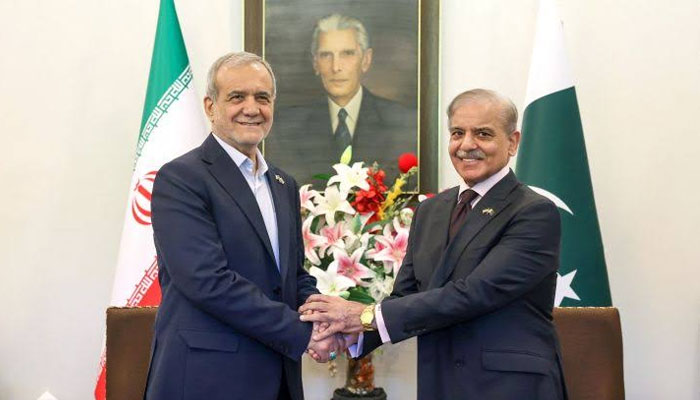
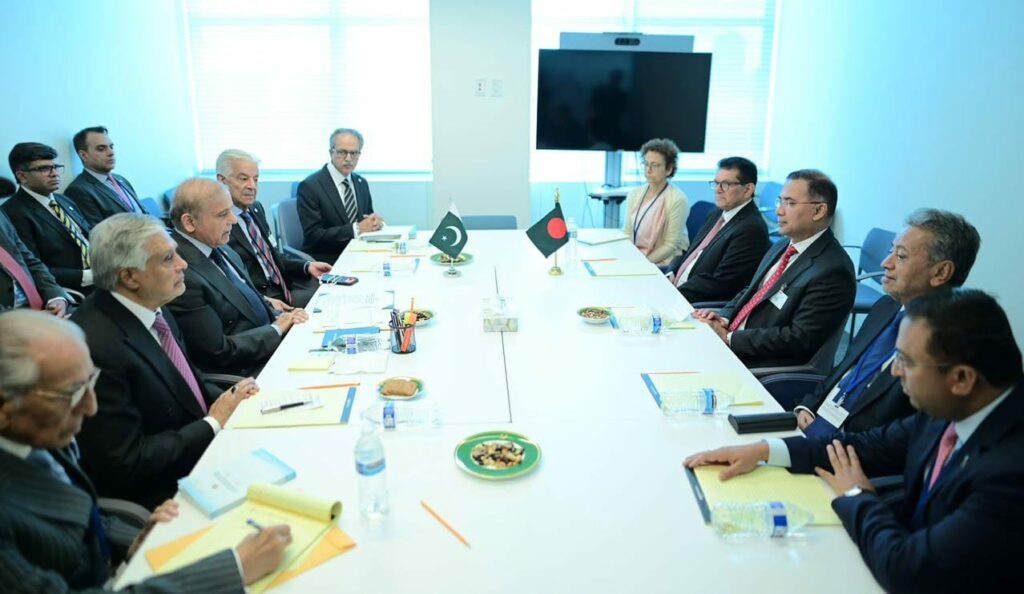
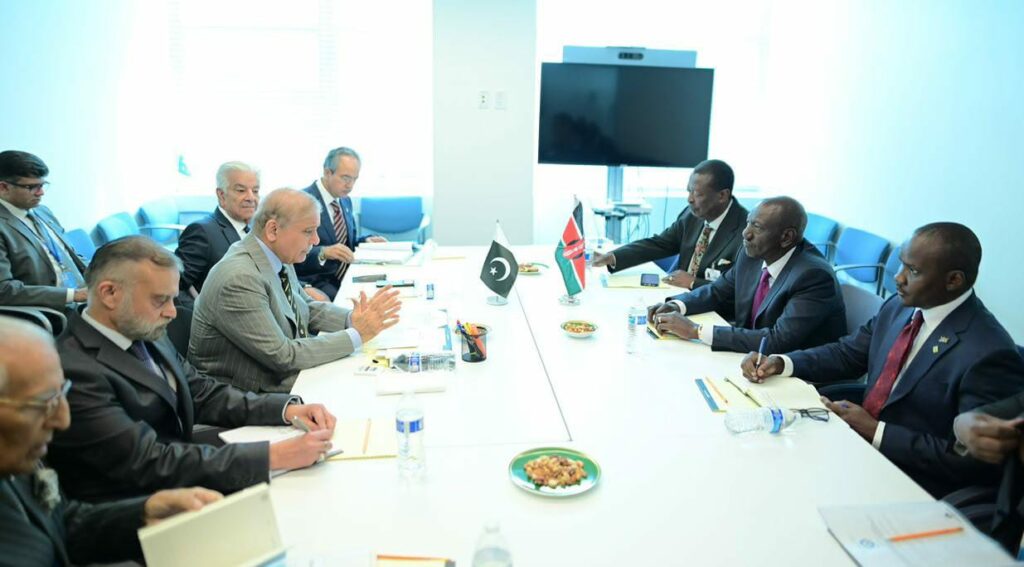
During the visit, the Prime Minister met with world leaders, diplomats, business leaders, members of the Pakistani community, and young people. His engagements focused on peace, dialogue, diplomacy, regional stability, economic development, investment, climate change, counterterrorism, Palestine, Jammu and Kashmir, and stronger international cooperation.
The Prime Minister’s participation at the United Nations also demonstrated Pakistan’s desire to play a constructive role in addressing regional and global challenges. He emphasized the importance of peaceful dialogue, respect for international law, and cooperation among nations.
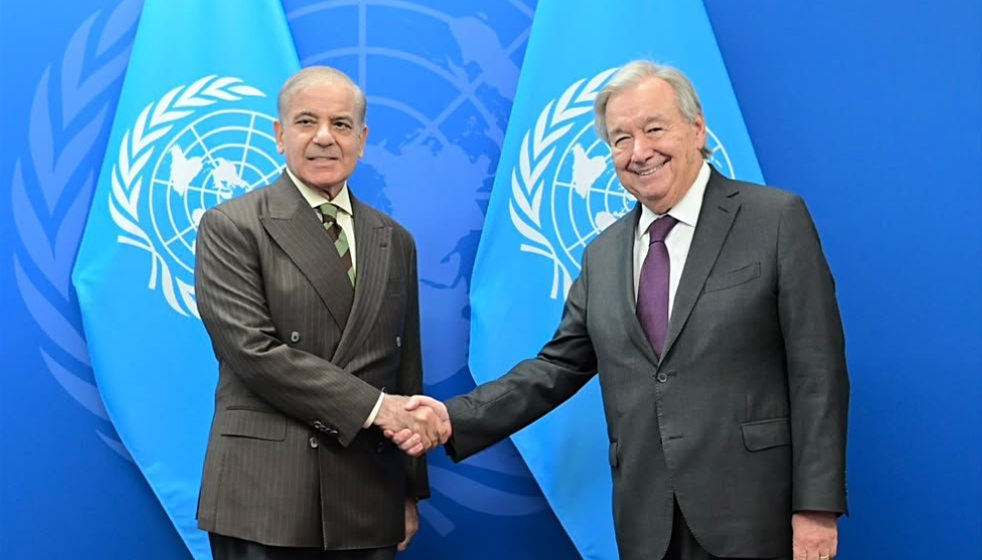
The significance of the visit extended beyond diplomatic meetings. It represented an opportunity to build bridges, strengthen Pakistan’s international partnerships, and project a confident, forward-looking Pakistan ready to engage with the world on the basis of mutual respect, shared interests, and common progress.
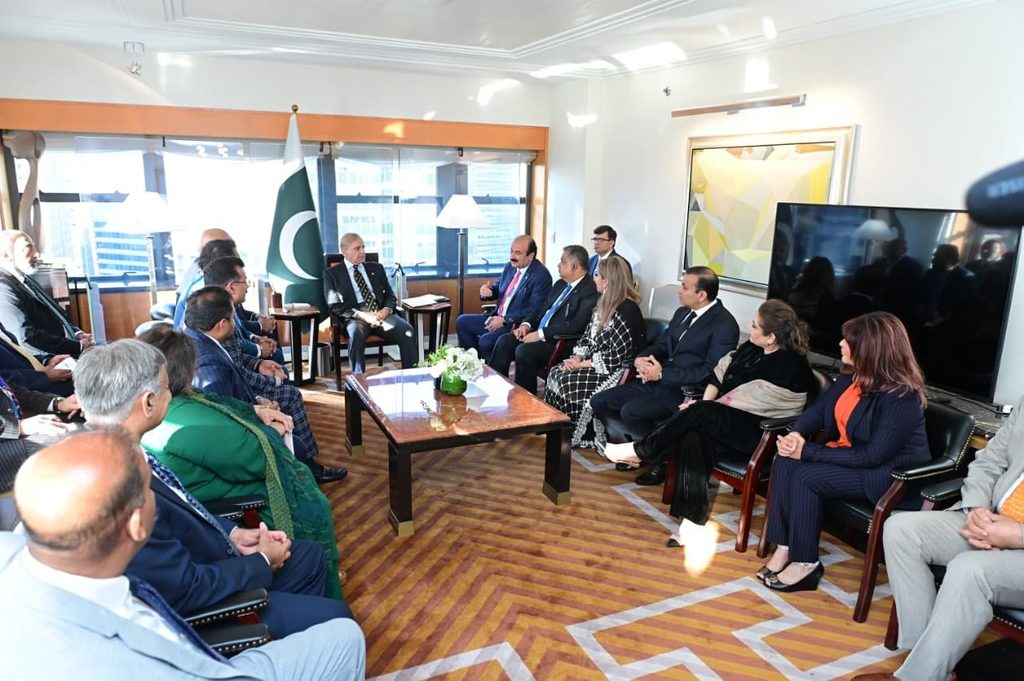
A major component of the visit was economic diplomacy. The Prime Minister met with Pakistani-American business leaders and professionals and encouraged them to explore investment opportunities in Pakistan. Discussions covered areas such as information technology, artificial intelligence, agriculture, energy, construction, automobiles, and other important sectors.
The Pakistani diaspora has an important role to play in Pakistan’s economic development. Many overseas Pakistanis possess valuable business experience, professional expertise, international contacts, and knowledge of global markets. Stronger links with them can support investment, technology, entrepreneurship, and business partnerships between Pakistan and other countries.
The Prime Minister also met with Pakistani-American youth. These meetings provided an opportunity to discuss education, technology, skills, entrepreneurship, and future opportunities. Young Pakistanis living abroad can play an important role in Pakistan’s development by sharing their knowledge, skills, ideas, and international experience.
Another notable moment during the visit came when US President Donald Trump spoke about Prime Minister Shehbaz Sharif during his address to the United Nations General Assembly. President Trump called the Prime Minister a “terrific man” and referred to Pakistan’s role in efforts to prevent further conflict between Pakistan and India. His remarks brought additional international attention to Pakistan’s diplomatic engagement.
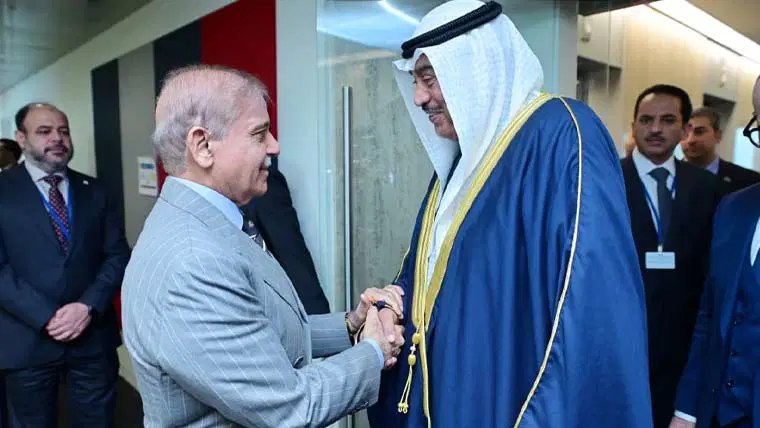
Alongside the Prime Minister, Deputy Prime Minister and Foreign Minister Senator Mohammad Ishaq Dar played an important role in Pakistan’s diplomatic activities during the UN General Assembly. He participated in high-level meetings and held discussions with foreign ministers and representatives from different countries.
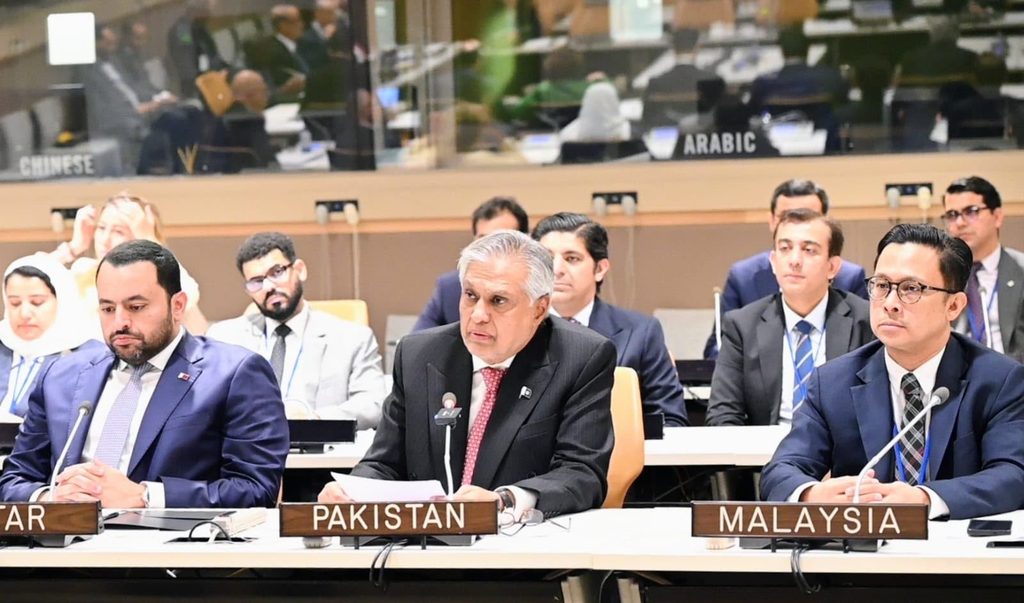
Senator Ishaq Dar also participated in United Nations and Organisation of Islamic Cooperation meetings, addressing issues including Palestine, Jammu and Kashmir, artificial intelligence, pandemic preparedness, regional peace, and international cooperation. He also chaired the Economic Cooperation Organization Council of Ministers meeting. His engagements covered bilateral relations, trade, investment, and economic cooperation.
The Prime Minister and the Foreign Minister therefore used the UN General Assembly as an opportunity to present Pakistan’s views on important international and regional issues. Their engagements also provided opportunities to strengthen relations with other countries and explore new areas of cooperation.
The visit was also important for Pakistan’s overseas community. Meetings with Pakistani-American professionals, business leaders, and young people helped strengthen the connection between Pakistan and its diaspora.
During the Prime Minister’s visit to New York, young Pakistanis and members of the business and professional community from different parts of the United States had opportunities to meet and interact with him. The Houston community was also represented among those who participated in these engagements.
For many young participants, the interaction was an opportunity to share their ideas and hear directly about Pakistan’s future priorities. Such meetings can encourage young Pakistani Americans to remain connected with Pakistan and contribute through education, technology, business, investment, and professional expertise.
These interactions also help present a broader picture of Pakistan.
International perceptions of a country are often influenced by news and major events, but Pakistan is much more than the headlines. It is also a country of talented young people, successful professionals, entrepreneurs, students, and a large global diaspora.
Pakistanis living around the world are contributing to business, education, technology, medicine, science, and many other fields. Their achievements can help build stronger links between Pakistan and the countries where they live.
The participation of the Houston Pakistani-American community reflects this strong connection. Houston has a large and active Pakistani community, including professionals, entrepreneurs, students, and business leaders. Their continued engagement with Pakistan can create opportunities for investment, knowledge sharing, business partnerships, and professional cooperation.
The UN visit was therefore more than a series of diplomatic meetings. It brought together Pakistan’s foreign policy, economic priorities, diaspora engagement, and focus on young people.
The meetings with world leaders and diplomats gave Pakistan an opportunity to explain its position on important regional and international issues. Meetings with business leaders opened discussions about investment and economic cooperation, while interactions with young people highlighted the importance of the next generation.
The real value of these engagements will depend on continued follow-up. Diplomatic meetings can provide opportunities, but these opportunities need to be developed through practical cooperation, investment, trade, education, technology, and stronger people-to-people connections.
Prime Minister Muhammad Shehbaz Sharif’s participation in the 81st UN General Assembly, together with the diplomatic efforts of Deputy Prime Minister and Foreign Minister Senator Mohammad Ishaq Dar, provided Pakistan with an important international platform.
The visit highlighted Pakistan’s commitment to peace, dialogue, diplomacy, economic development, and international cooperation. It also demonstrated the important role that Pakistani youth, professionals, entrepreneurs, and the overseas Pakistani community can play in building stronger connections between Pakistan and the rest of the world.
For Pakistan, continued engagement with the international community and its global diaspora can help turn diplomatic relationships into practical cooperation and create new opportunities for the country and its people.
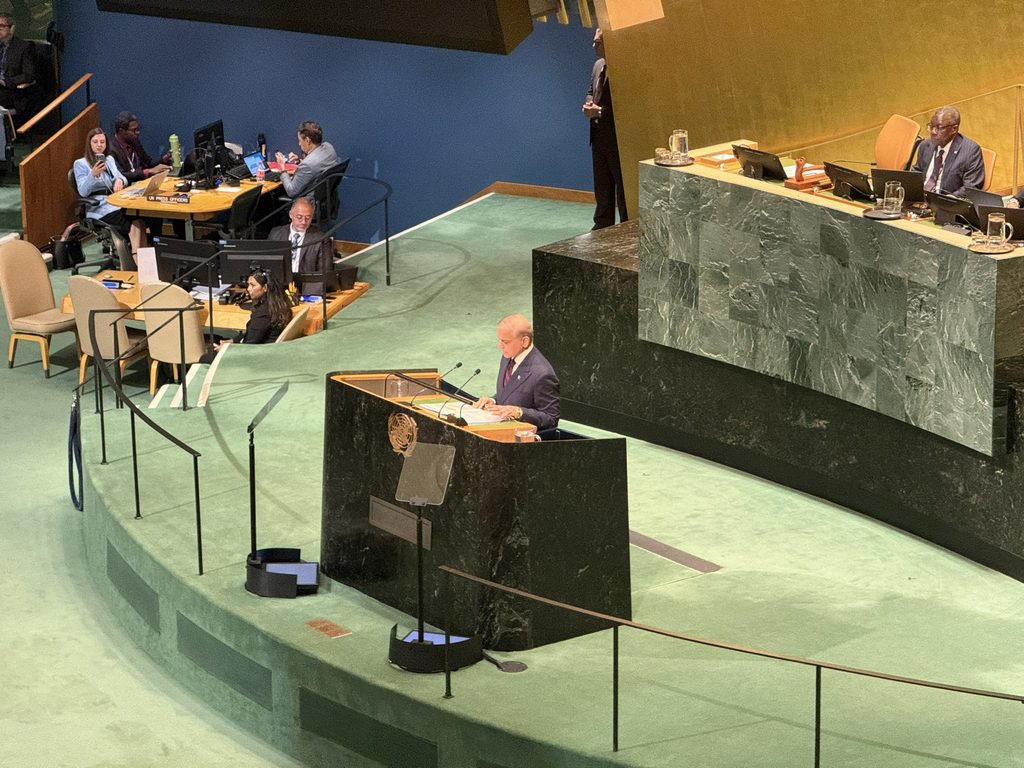
Prime Minister Shehbaz Sharif’s UN speech and his meetings with world leaders, diplomats, Pakistani-American youth, and the US business community presented a positive and confident image of Pakistan. His message of peace, partnership, investment, and development was clear and meaningful.
With continued follow-up on these initiatives, Pakistan can build stronger global partnerships, attract new opportunities, and create meaningful progress. The Prime Minister’s initiatives have the potential to contribute to significant and positive developments for Pakistan in the days ahead.
The real significance of the Prime Minister’s UN visit lies in the doors opened through dialogue, diplomacy, presentation, and global engagement. Meetings with world leaders, diplomats, and business leaders can strengthen Pakistan’s international partnerships and create new avenues for economic opportunity.
The lasting message is simple: when national interest rises above political differences, Pakistan’s voice, standing, and prospects grow stronger. Putting Pakistan’s national interests first remains essential to building a more confident, prosperous, and globally connected Pakistan.