Hasnain Walji Ph.D.
America is turning 250.
The official word is Semiquincentennial, a term so grand it almost hides the simplicity of the moment. The United States is marking two and a half centuries since it declared independence from Britain and announced a revolutionary idea: that a people could govern themselves, claim liberty as a birthright, and build a republic on the promise of equality.
That promise has always been both America’s greatest achievement and its greatest accusation.
In 1776, the Founders gathered in Philadelphia to debate liberty, taxation, representation, and the future of a new republic. Their words helped reshape the political imagination of the modern world. Yet the nation they built carried contradictions from the beginning. It spoke of freedom while tolerating slavery. It declared equality while excluding women, Black Americans, Native peoples, and many others from the full meaning of citizenship.
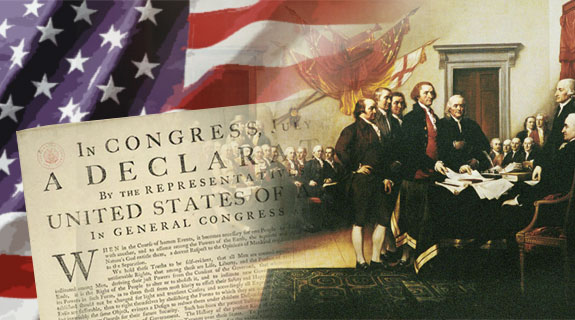
America was born with a promise it had not yet learned how to keep.
That tension remains at the heart of the American story.
Today, the country that once debated liberty by candlelight now argues in comment sections, cable panels, podcasts, school board meetings, courtrooms, and campaign rallies. The tavern has become television. The pamphlet has become the post. The village square has acquired Wi-Fi, and naturally, the village loudmouth has upgraded accordingly.
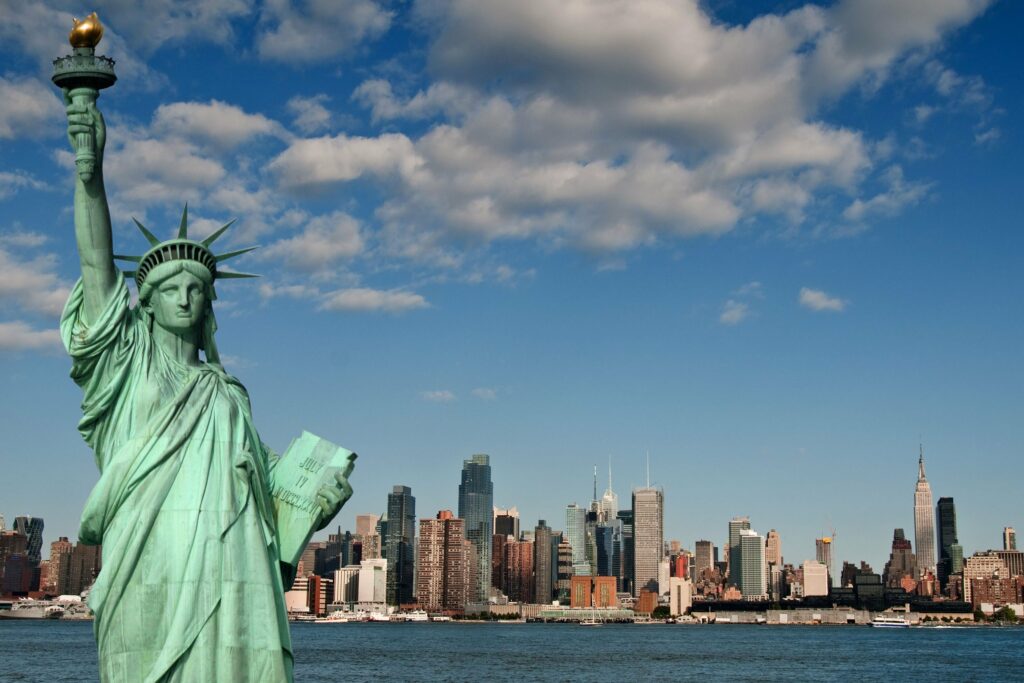
The tools have changed. The argument has not.
America is still asking what freedom means, who gets to enjoy it, and what price ordinary people must pay to live inside the dream.
For many Americans, that dream now feels less like a front porch and more like a payment portal. The old promise was simple, at least in theory: work hard, build a life, own a home, raise a family, educate your children, and leave them better off.
Today, that promise is tested by mortgage anxiety, rent increases, medical bills, student loans, grocery shock, and the quiet dread of opening the mail. Opportunity still exists, but it often arrives with interest, fees, passwords, and terms and conditions.
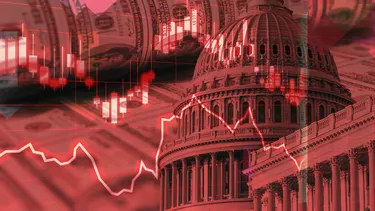
Once, the American Dream was a steady job.
Now it is a profile update.
Once, it was the dignity of enough.
Now, for too many, it is a monthly plan that auto-renews anxiety.
And yet, reducing America to its frustrations would be too easy. Nations, like people, are rarely one thing. America is not only its failures. It is also its capacity to confront them, however slowly, however unevenly, and often only after protest, pressure, sacrifice, and litigation have done what conscience should have done earlier.
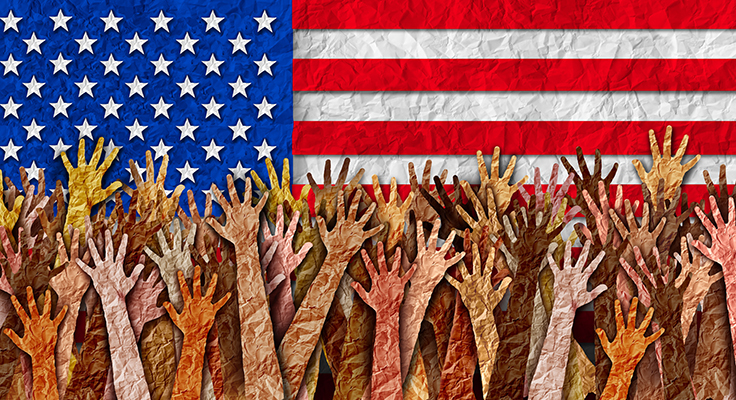
No voice understood this contradiction more powerfully than Frederick Douglass.
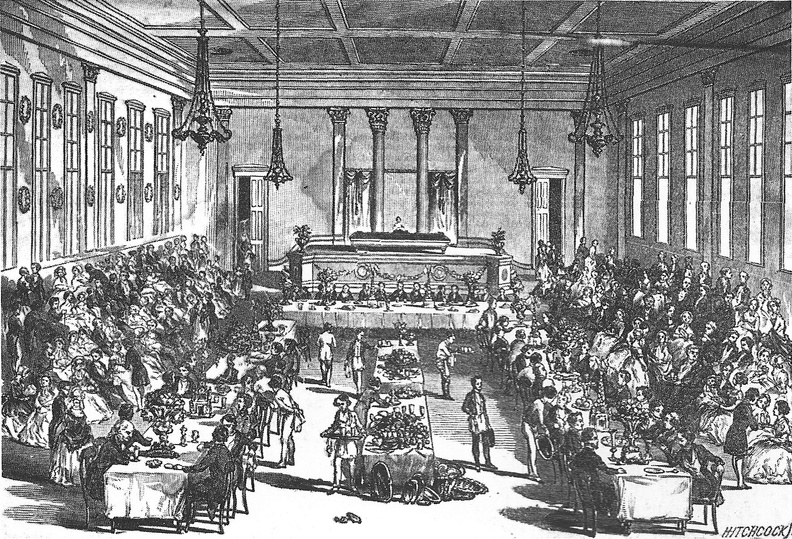
On July 5, 1852, at Corinthian Hall in Rochester, New York, Douglass delivered the address now remembered as “What to the Slave Is the Fourth of July?” Speaking at an Independence Day commemoration, he forced the nation to hear what its fireworks were trying to drown out: America was celebrating liberty while millions of Black people remained enslaved.
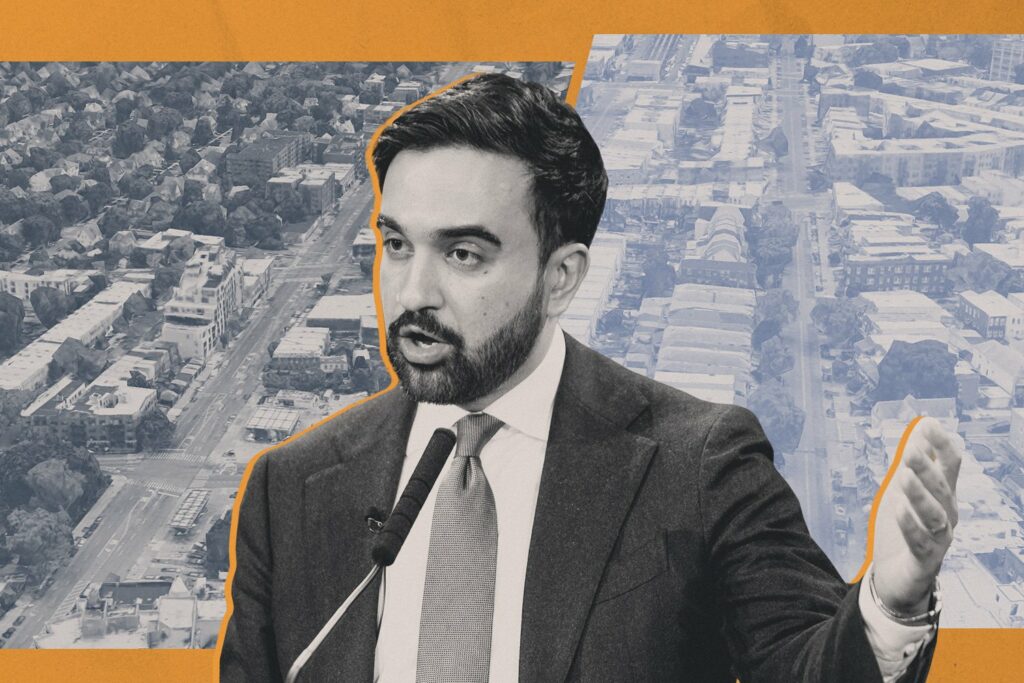
His indictment was clear. The Fourth of July belonged to those who enjoyed freedom, not to those denied it. “This Fourth July is yours, not mine. You may rejoice, I must mourn.”
Douglass was not rejecting freedom. He was exposing a country that praised freedom while withholding it.
That is not a footnote to the American story.
It is one of its central chapters.
And yet history rarely moves in a straight line. It stumbles. It doubles back. It embarrasses itself. Then, occasionally, it opens a door no one expected.
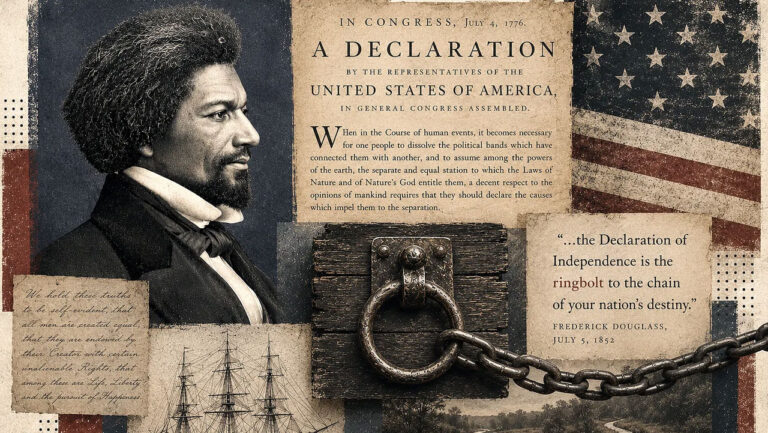
More than a century and a half after Douglass forced America to confront its hypocrisy, the same restless republic offered another image of its unfinished promise: Zohran Mamdani, a South Asian New Yorker, elected in 2025 to lead America’s most visible city and becoming New York City’s first Muslim mayor.
That does not erase Douglass.
It does not redeem every hypocrisy.
It does not pay the unpaid debt of history.
But it does remind us why America remains so difficult to dismiss.
The country can wound deeply. It can exclude loudly. It can delay justice until justice needs a wheelchair. But it can also change. Not neatly. Not gracefully. Not without lawsuits, backlash, headlines, donor panic, and someone somewhere declaring the end of civilization because the old picture of power has changed.
But the door opens.
That is the strange American rhythm.
Douglass reveals the wound.
Mamdani reveals the possibility.
Between them lies the unfinished argument called America.
At 250, the question is not whether America has been perfect. It has not. The question is whether it still has the capacity to correct itself. Whether its ideals remain alive enough to disturb its comfort. Whether liberty still belongs to the ordinary person standing in line, paying the bill, raising the child, working the shift, carrying the debt, and still believing that tomorrow might be better.
Self-government was America’s great experiment. But self-government requires more than elections, slogans, and patriotic merchandise. It requires restraint. Truth. Memory. Humility. Four virtues not exactly trending.
It requires citizens who can disagree without turning every disagreement into demolition. It requires a public culture that does not confuse volume with wisdom, outrage with courage, or posting with sacrifice.
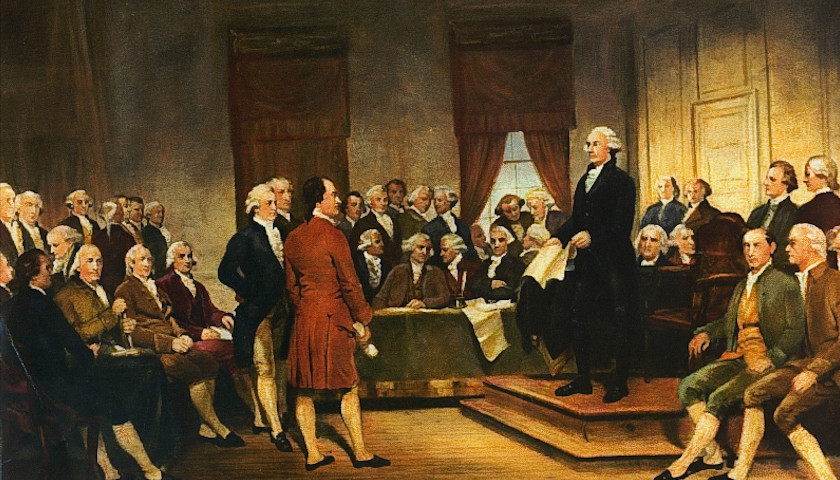
In 1776, America asked whether people could govern themselves.
In 2026, America asks whether people can still govern themselves while surrounded by algorithms, conspiracy theories, consumer debt, political spectacle, and the flattering delusion that every opinion becomes profound once typed in capital letters.
The answer is still being written.
The Semiquincentennial should not be reduced to fireworks, speeches, patriotic concerts, and commemorative merchandise. It should be a pause. A mirror. A national audit of the soul.
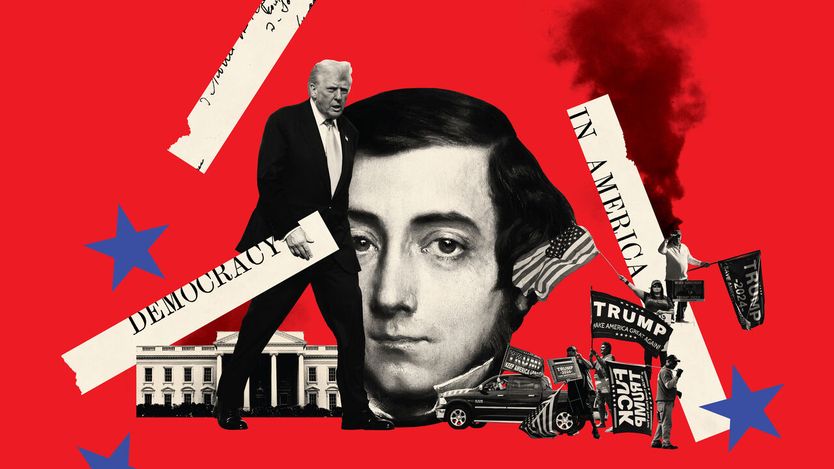
A nation does not become great by repeating that it is great. It becomes great by asking whether its greatness still reaches the people who most need its promise.
And yet, after all the contradictions, noise, expense, political theater, and national talent for turning every problem into a televised argument, America remains, to many of us, the best place on earth to live.
Not because it is perfect.
It is not.
Not because it always lives up to its promise.
It does not.
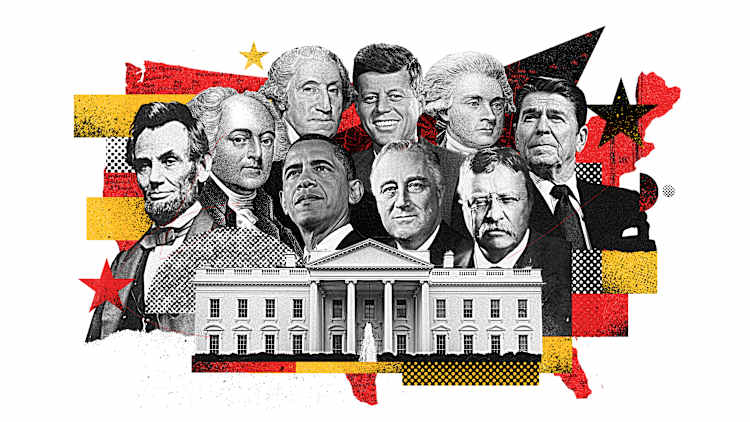
But because it still gives people room to argue, rise, fail, begin again, worship freely, speak loudly, dream boldly, and reinvent themselves with a stubbornness that is almost moving.
America is exhausting.
America is expensive.
America is frequently ridiculous.
But it is still alive.
Still restless.
Still possible.
And perhaps that is why, after 250 years, people are still coming, still believing, still trying, and still betting their lives on the idea that tomorrow here may be better than yesterday elsewhere.
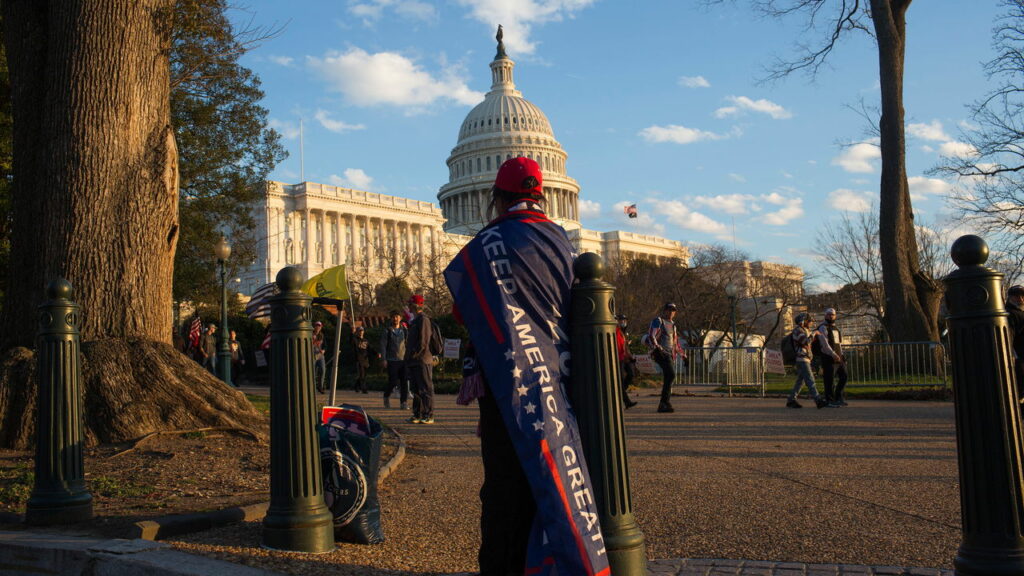
In 1776, America made a promise.
In 2026, the question is whether it still has the courage to keep that promise for the ordinary people who still believe in it.
Hasnain Walji Ph.D.
Executive Director
United Global Initiative