A detail review by Editor’s Picks for world watch media group
Introduction
The year 2026 marks the 250th anniversary of the United States of America, a landmark moment in world history. The United States began as thirteen British colonies on the eastern coast of North America and evolved into a global superpower with significant influence in politics, economics, science, culture, and military affairs. This transformation is rooted in a long journey that includes revolution, constitution-building, civil conflict, industrial growth, social reform, and technological advancement.

1. Colonial Background and the Road to Independence
British Colonization of North America
Before independence, the territory that is now the United States was controlled by Great Britain. Beginning in the early 1600s, British settlers established colonies for trade, agriculture, and expansion. By the 18th century, thirteen major colonies existed along the Atlantic coast.
These colonies had local governments but were ultimately controlled by the British Crown and Parliament. Over time, tensions grew due to taxation policies, lack of political representation, and restrictions on trade.
Causes of Revolution
The main grievances included:
- “No taxation without representation”
- Economic restrictions imposed by Britain
- Desire for political autonomy
- Influence of Enlightenment ideas such as liberty and equality
Events such as the Boston Tea Party (1773) escalated tensions, pushing the colonies toward rebellion.
2. American Independence and Revolutionary War
Declaration of Independence (1776)
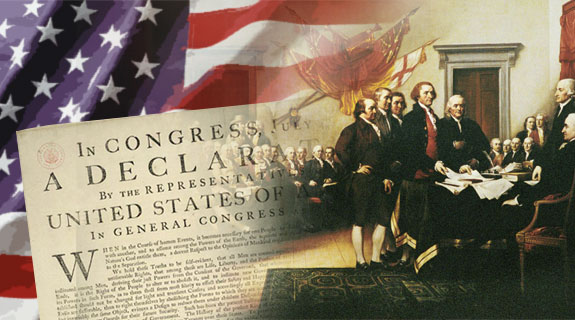
On July 4, 1776, the Continental Congress adopted the United States Declaration of Independence, formally declaring independence from Britain. This document, primarily written by Thomas Jefferson, stated that governments derive their power from the consent of the governed.
The Revolutionary War (1775–1783)
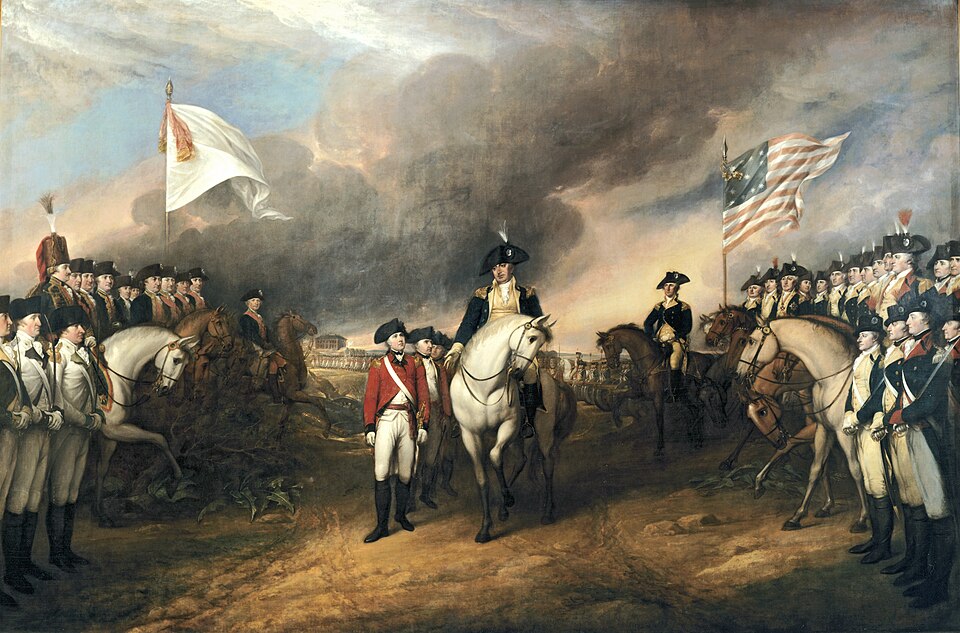
The war between the colonies and Britain lasted eight years. The Continental Army, led by George Washington, fought against one of the world’s strongest empires.
Key support came from France, which helped turn the tide in favor of the colonies. The war ended with the Treaty of Paris (1783), in which Britain formally recognized American independence.
3. Formation of the Constitution and Democracy
Creating a Federal System
After independence, the newly formed states initially operated under the weak Articles of Confederation. This system failed to provide strong central governance, leading to instability.
To resolve this, leaders convened the United States Constitutional Convention in 1787.
The United States Constitution
The result was the United States Constitution, which established:
- A federal system dividing power between states and national government
- Separation of powers among executive, legislative, and judicial branches
- A system of checks and balances
Bill of Rights
In 1791, the first ten amendments, known as the Bill of Rights, guaranteed fundamental freedoms such as:
- Freedom of speech and religion
- Right to bear arms
- Protection against unlawful searches
- Right to a fair trial
4. Expansion and Nation Building (19th Century)
Territorial Expansion
The 19th century was defined by rapid expansion:
- Louisiana Purchase (1803) doubled U.S. territory
- Westward expansion across North America
- Settlement of new states across the continent
This period was driven by the idea of “Manifest Destiny,” the belief that expansion across the continent was justified and inevitable.
Civil War and Abolition of Slavery
A major crisis emerged over slavery, which divided the northern and southern states. This conflict led to the American Civil War (1861–1865).
After the Union victory, slavery was abolished through constitutional amendments, fundamentally reshaping American society and labor systems.
5. Industrialization and Global Rise (1900–1945)
Economic and Industrial Growth
By the early 20th century, the United States became an industrial powerhouse. Rapid urbanization, railroads, and mass production transformed the economy.
World Wars and Global Role
The U.S. emerged as a global power through:
- Participation in World War I
- Recovery from the Great Depression under the New Deal reforms
- Leadership in World War II after 1941
By the end of World War II, the United States had become one of the two dominant global superpowers.

6. Cold War Era and Technological Competition (1945–1991)
Superpower Rivalry
The United States and the Soviet Union engaged in the Cold War, a geopolitical struggle characterized by ideological conflict, military competition, and proxy wars.
Space Race and Scientific Advancement
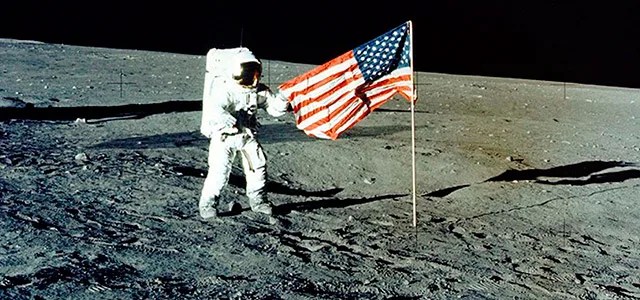
One of the greatest achievements was the Apollo 11 mission in 1969, when humans first landed on the Moon under NASA’s space program.
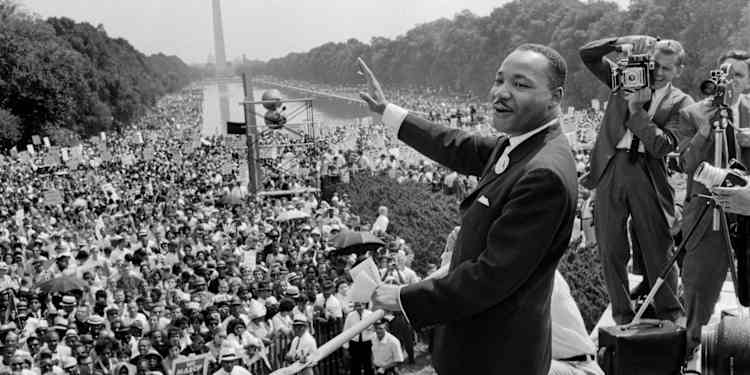
Civil Rights Movement
Domestically, the United States underwent major social transformation:
- End of racial segregation laws
- Voting rights expansion for minorities
- Greater recognition of civil liberties
7. Modern United States (1991–2026)
Post-Cold War Era
After the collapse of the Soviet Union in 1991, the United States became the world’s sole superpower. It expanded its influence through diplomacy, trade, and military alliances.
Technological Revolution
The rise of Silicon Valley transformed global communication and technology. Companies like Apple, Microsoft, Google, and Amazon reshaped modern life.
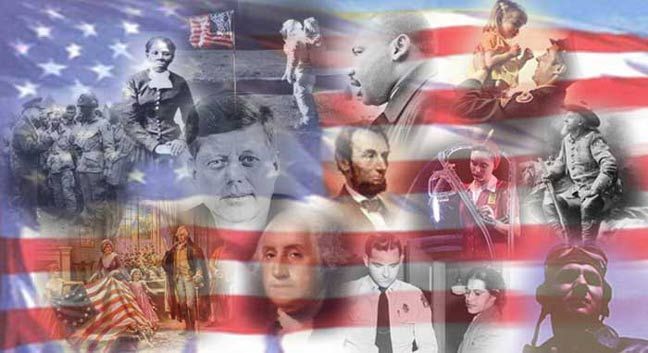
Contemporary Challenges
Despite progress, challenges remain:
- Political polarization
- Economic inequality
- Immigration debates
- Social justice movements
8. Democracy and Electoral System
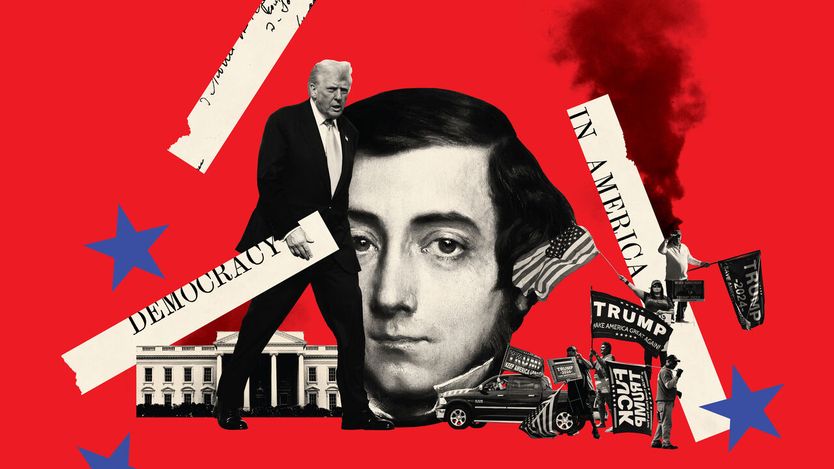
The United States operates as a federal presidential republic.
Electoral Structure
- The President is elected every four years through the Electoral College system
- Congress consists of:
- Senate (six-year terms)
- House of Representatives (two-year terms)
Judicial Independence
The Supreme Court ensures constitutional interpretation and protects civil rights.
Elections are highly decentralized, with each state managing voting procedures.
9. Immigration and Cultural Diversity
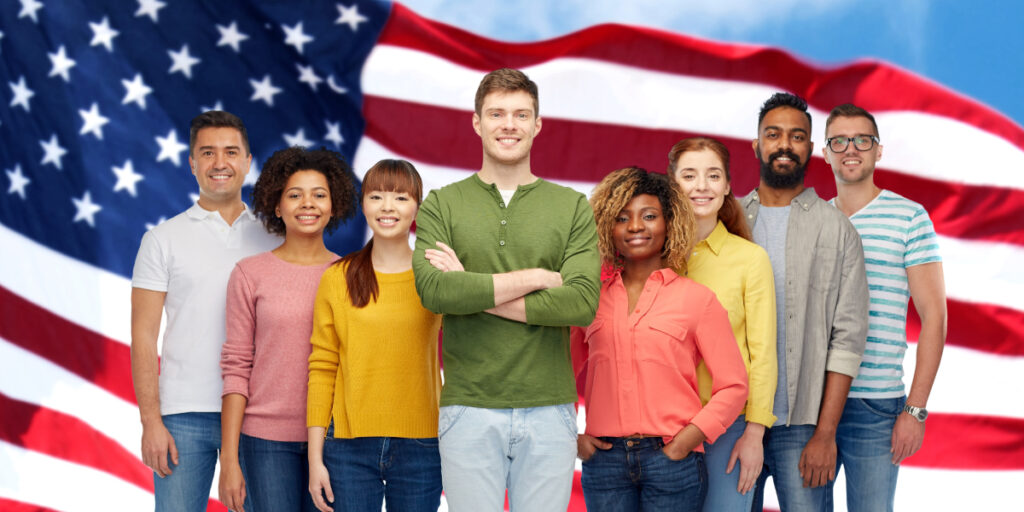
The United States is often described as a “nation of immigrants.”
Immigration Waves
- 19th century: Europeans seeking economic opportunity
- 20th century: Global migration from Asia, Latin America, and other regions
- 21st century: Highly diverse immigration patterns
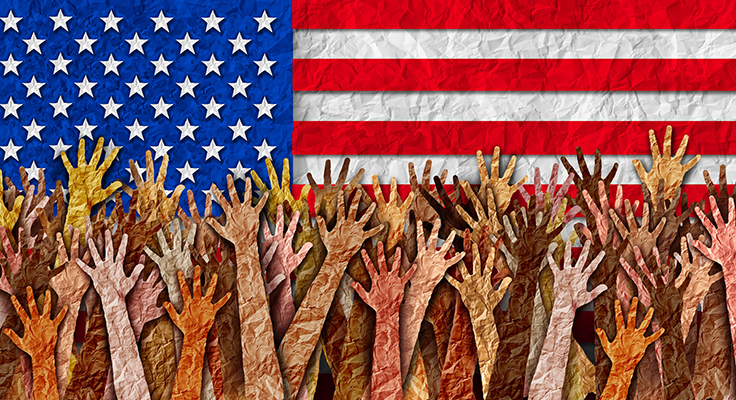
This diversity has created a multicultural society where people from nearly every nation live together.
10. Education System
The American education system includes:
- Public and private schools (K–12)
- Community colleges
- World-renowned universities such as Harvard, MIT, and Stanford
Strengths and Challenges
Strengths:
- Innovation and research leadership
- Academic freedom
- Global attractiveness for international students
Challenges:
- High tuition costs
- Unequal access to quality education

11. Healthcare System
The United States has a mixed healthcare system combining private and public elements.
Structure
- Private insurance dominates healthcare access
- Government programs such as Medicare and Medicaid assist vulnerable populations
Strengths and Issues
Strengths:
- Advanced medical technology
- Leading biomedical research
Challenges:
- High healthcare costs
- Inequality in access to services

12. Economy and Global Influence
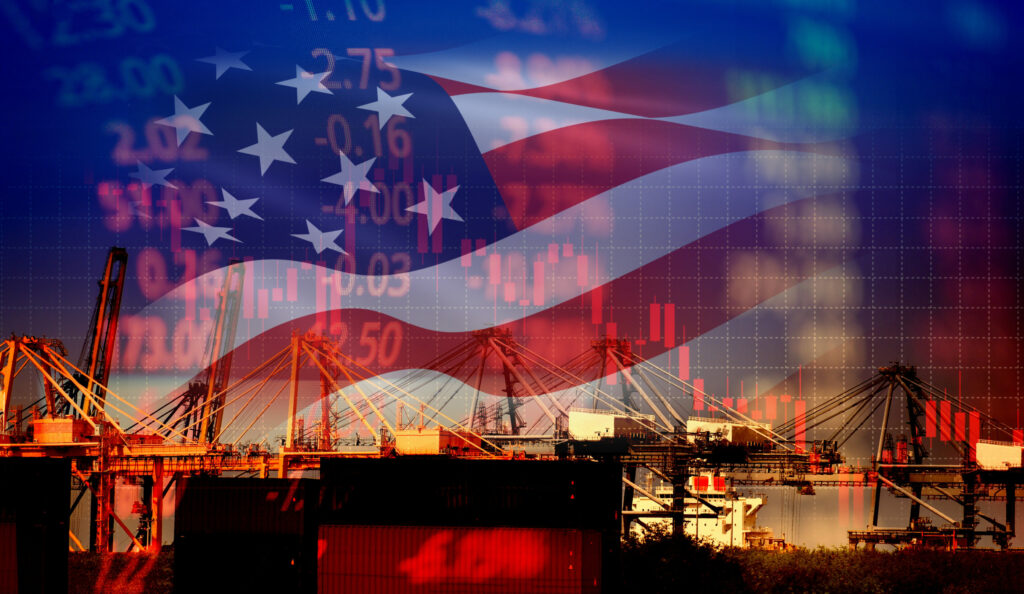
The United States has the world’s largest economy.
Key Economic Sectors
- Technology and innovation
- Finance and banking
- Manufacturing and agriculture
- Entertainment industry
Global Corporations
American companies dominate global markets, especially in technology and digital services.
13. Space Exploration and Scientific Leadership
The United States leads global space exploration through NASA and private companies.
Achievements include:
- Moon landing (1969)
- Mars exploration missions
- International Space Station collaboration
- Growth of private space companies such as SpaceX
14. Military Power and Global Security Role
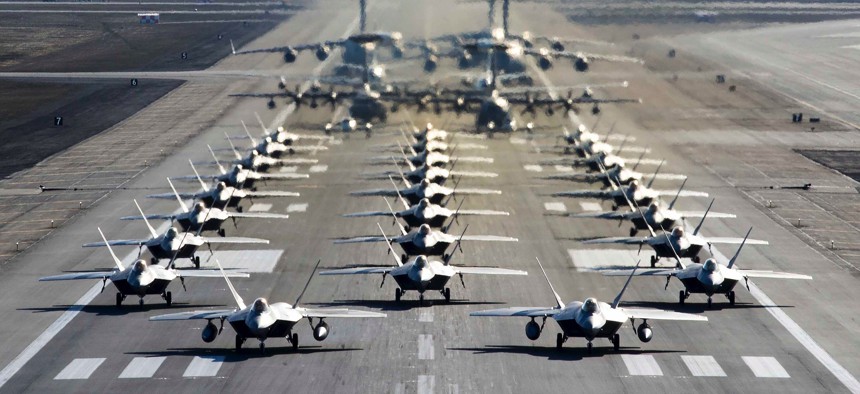
The United States maintains the most advanced military in the world.
Capabilities
- Nuclear deterrence
- Global military bases
- Strong naval and air force power
It plays a central role in NATO and international security operations.
15. Freedom of Speech and Human Rights
The U.S. Constitution guarantees fundamental rights including:
- Freedom of speech and press
- Freedom of religion
- Right to peaceful protest
However, ongoing debates exist over gun control, privacy, and racial equality.
16. The World’s Largest and Strongest Democracy
Over the past 250 years, the United States has developed into one of the world’s oldest continuous constitutional democracies and is often described as one of the world’s largest and most influential democracies. Since the adoption of the Constitution in 1787, power has been transferred peacefully through regular elections, even during periods of war, economic crisis, and political division. The country’s democratic institutions—including the presidency, Congress, the judiciary, and state governments—have evolved while remaining grounded in the principles of constitutional governance, the rule of law, and checks and balances.
Throughout its history, American democracy has expanded beyond its original framework. Constitutional amendments and landmark legislation abolished slavery, extended voting rights regardless of race or gender, and strengthened protections for civil and political rights. Although debates over voting access, political polarization, and institutional reform continue, the democratic system has shown resilience through adaptation and public participation.
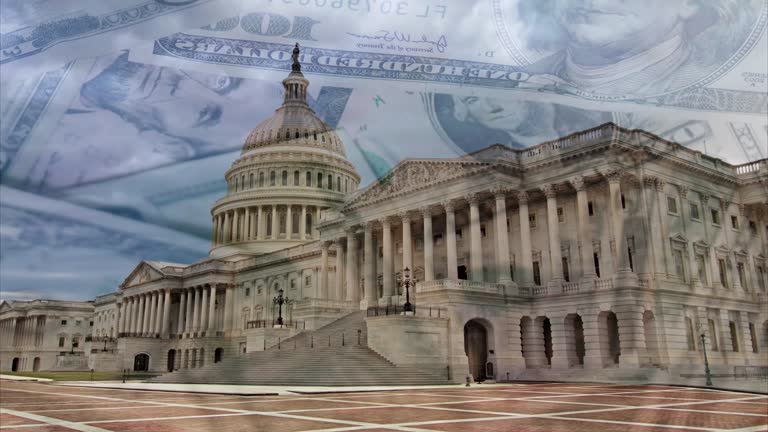
The United States’ 250-year democratic journey has influenced constitutional development and democratic movements around the world. Its experience demonstrates that democracy is an evolving process—one that requires active civic engagement, independent institutions, and a continued commitment to liberty, equality, and justice. As the nation commemorates its 250th anniversary, it celebrates not only its independence but also two and a half centuries of democratic governance that have helped shape its national identity and global role.
Conclusion
Over 250 years, the United States has transformed from a colonial rebellion into a global superpower. Its history is shaped by ideals of liberty and democracy, as well as struggles over equality, governance, and identity. The nation’s influence in politics, economics, science, and culture remains unmatched, yet its journey continues to evolve as it faces new global and domestic challenges in the 21st century.