By: Dr. Arslan Rajper
In the dusty villages of rural Sindh, poverty is not merely measured in income. It is measured in silence, in abandoned dreams, and increasingly, in darkness.
For thousands of families living across the rural belt of Pakistan’s southern province, survival itself has become an everyday struggle. Rising inflation, unemployment, soaring fuel prices, and limited public health infrastructure have forced many families to prioritize food over healthcare. In this harsh economic reality, diseases that do not immediately stop a person from working are often ignored until it is too late.
Eye diseases are among the greatest casualties of this silent neglect.

A farmer in a remote village continues harvesting crops despite blurred vision because traveling to a city hospital could cost a week’s earnings. An elderly mother gradually loses sight from cataracts while her children postpone treatment because transportation alone is unaffordable. A diabetic laborer notices darkness spreading across his vision but keeps working until permanent blindness ends his livelihood altogether.
These stories are not isolated tragedies. They reflect a growing rural health crisis.
According to the Pakistan National Blindness and Visual Impairment Survey, blindness and visual impairment remain significantly higher in rural populations than in urban areas. Researchers estimated that more than 1.1 million adults in Pakistan were blind, with rural residents disproportionately affected.
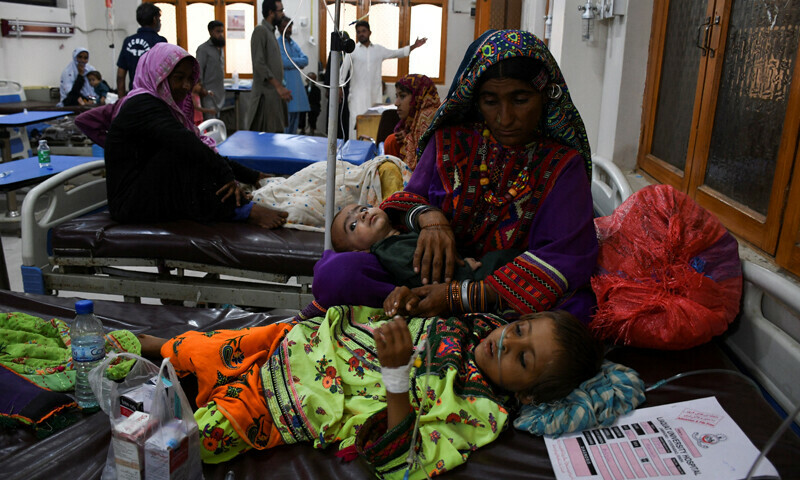
The same national data also established a direct relationship between poverty and blindness. Adults living in poorer communities experienced substantially higher rates of visual impairment than those in affluent areas, while access to surgeries and corrective treatment remained far lower in underprivileged regions.
In rural Pakistan, avoidable blindness often becomes permanent not because treatment does not exist, but because access does not.
Among the most commonly reported and vision-threatening conditions in underserved communities are:
· Age-Related Macular Degeneration (AMD)
· Glaucoma
· Cataracts
· Diabetic Retinopathy
· Retinal Detachment

Medical studies in Pakistan continue to identify cataracts and untreated refractive diseases as leading causes of preventable blindness, especially in rural communities where healthcare services are scarce.
Yet amid these overwhelming realities, one story from rural Sindh demonstrates how local leadership, professional commitment, and compassion can become powerful instruments of change.
A Doctor Who Returned to Serve His People
Dr. Arslan Hassan Rajper did what many highly trained professionals rarely choose to do: he returned home.
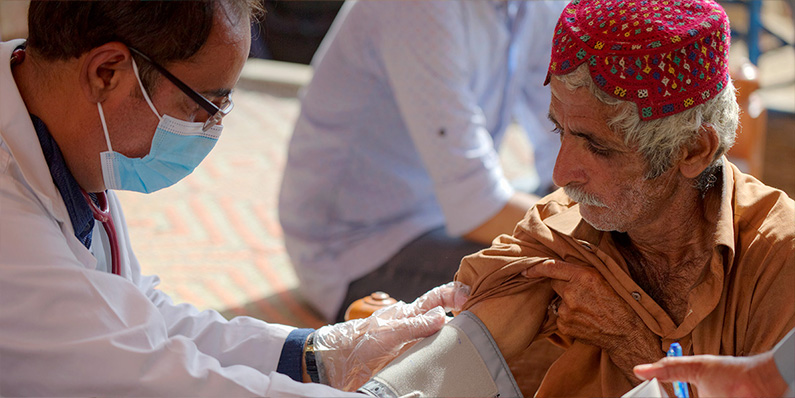
After completing his M.B.B.S. and later earning a Master’s degree in Ophthalmology, Dr. Arslan worked in both national and international medical institutions, gaining exposure to advanced ophthalmic practices and surgical techniques. But instead of building an exclusive career in major urban centers, he chose to establish services in the very rural region from which he came.
What he witnessed in his homeland disturbed him deeply.
Patients were traveling hundreds of kilometers for routine eye surgeries. Many postponed treatment for years because they could not afford transportation, diagnostic tests, or surgical expenses. Others simply accepted blindness as fate.
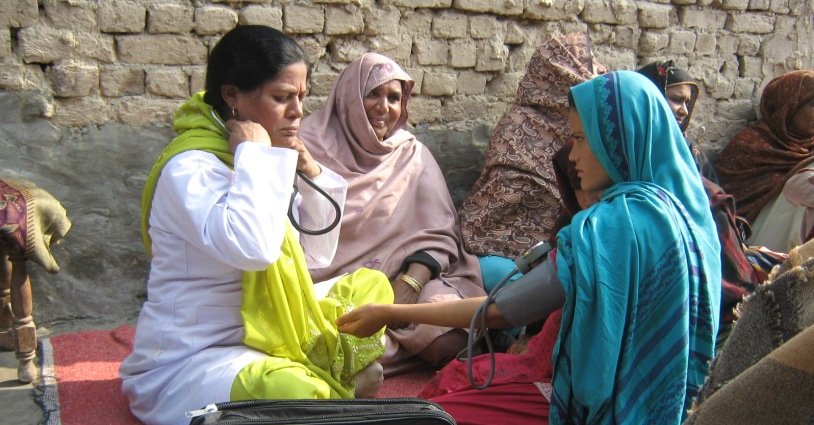
For poor laborers and elderly villagers, losing vision often meant losing independence, employment, and dignity simultaneously.
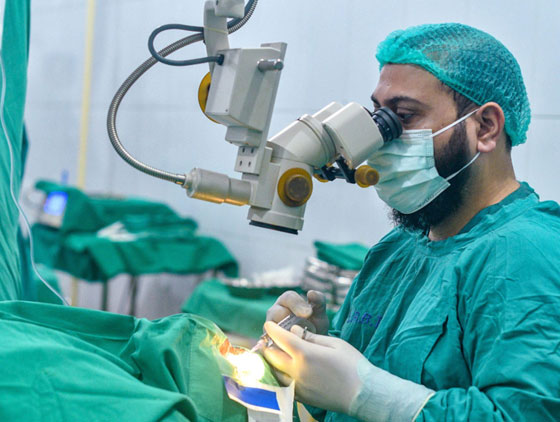
Determined to change this reality, Dr. Arslan established services through Gul Medicare Clinic, creating operative opportunities for patients who otherwise had little or no access to ophthalmic care.
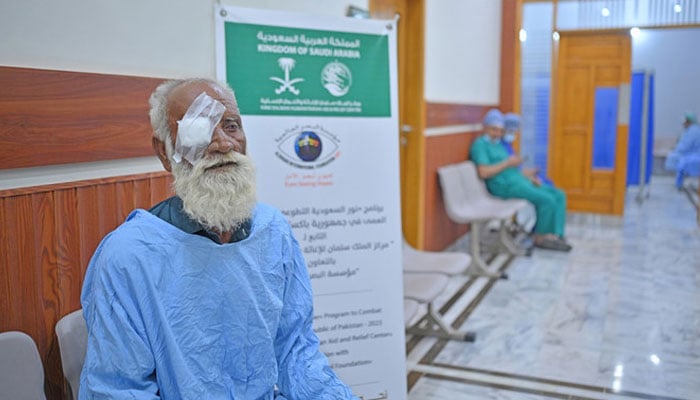
Since 2010, the clinic has worked to provide affordable eye treatments and surgeries to economically vulnerable populations. In many cases, lenses are facilitated through partnerships with medical companies, enabling patients to undergo procedures at minimal cost.
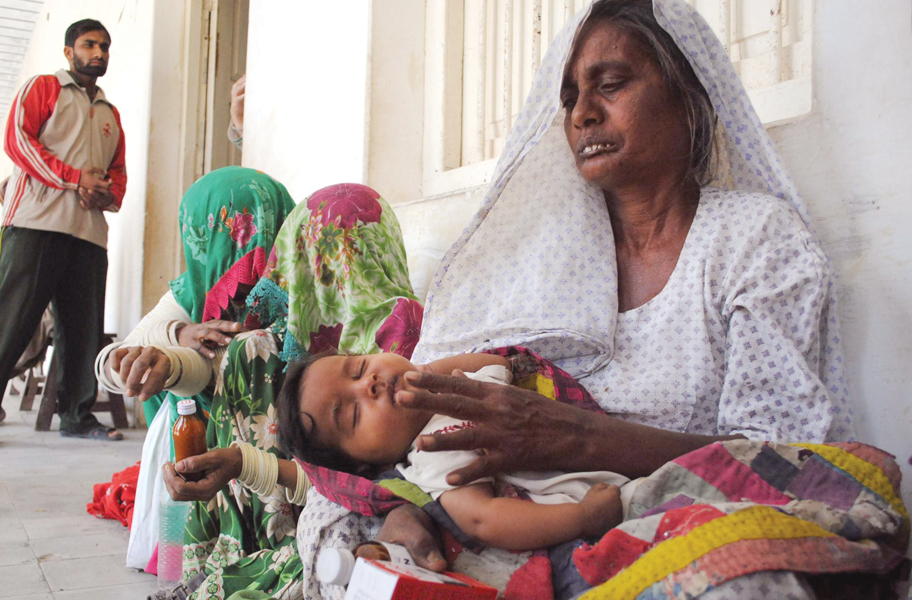
For countless families, this has meant the difference between darkness and restored sight.
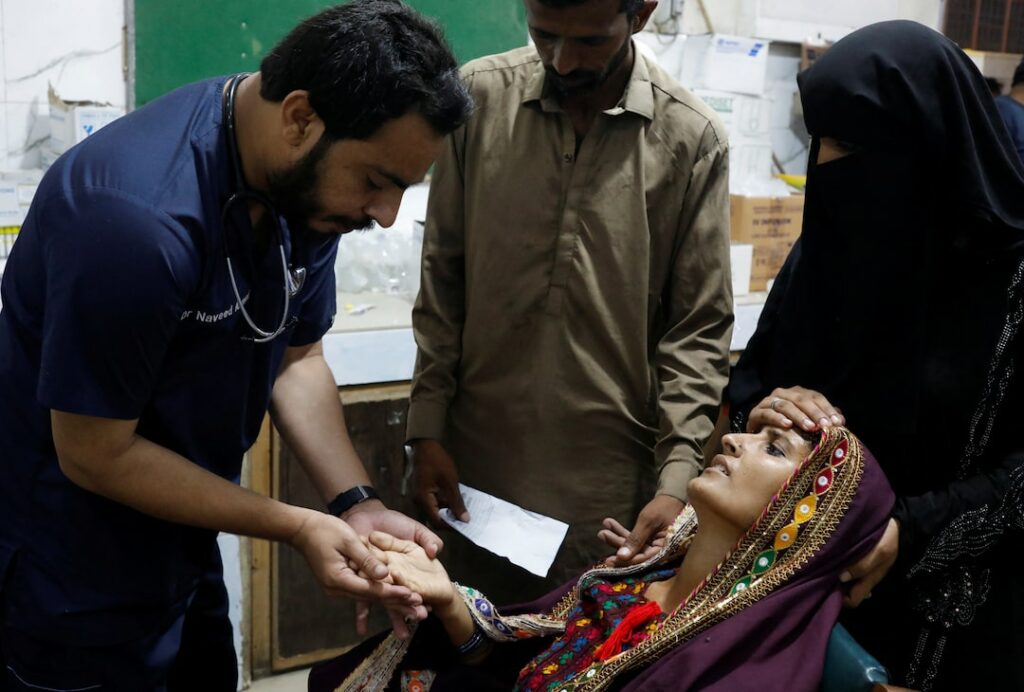
One elderly patient reportedly arrived at the clinic nearly blind from cataracts after delaying treatment for years because his family could not afford travel to Karachi or Hyderabad. Following surgery, he regained functional vision and returned to tending his livestock independently. For urban communities, such recovery may appear routine. In rural Sindh, it can restore an entire household’s survival system.
This is where healthcare transcends medicine.
It becomes social justice.
The Hidden Cost of Rural Blindness
Blindness in impoverished regions creates a devastating cycle. When a working adult loses sight, household income collapses. Children are often pulled from school to become caregivers. Women shoulder additional unpaid labor. Families already living below the poverty line descend deeper into deprivation.
The World Health Organization has repeatedly emphasized that a large proportion of global blindness is preventable or treatable when diagnosed early. Yet accessibility remains the defining barrier in developing regions.
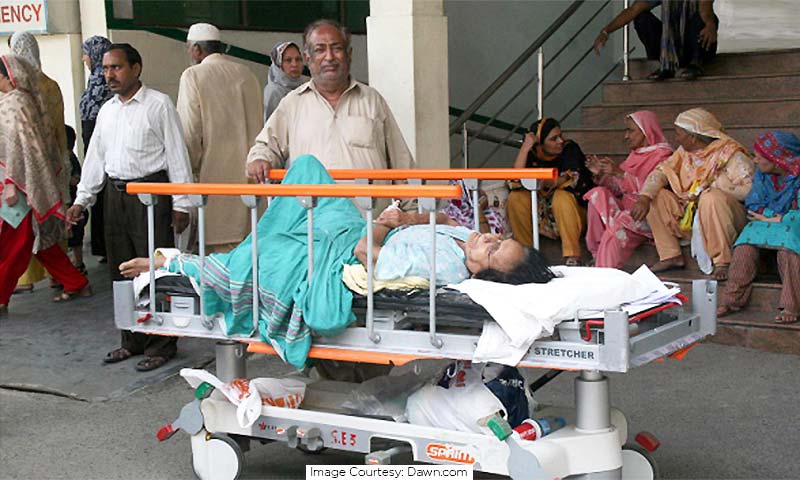
In Pakistan, geography and economics continue to determine who receives healthcare and who does not.
Fuel inflation alone has become a major obstacle. For many villagers, repeated visits to urban hospitals are financially impossible. Rural healthcare shortages further worsen delays in diagnosis, particularly for progressive diseases like glaucoma and diabetic retinopathy, where late intervention often results in irreversible damage.
This is why localized ophthalmic services matter profoundly.
Doctors like Dr. Arslan are not merely treating patients; they are decentralizing healthcare access in regions historically neglected by institutional systems.
A Model Worth Replicating
The significance of Dr. Arslan Hassan Rajper’s work extends beyond one clinic or one district.
His efforts represent a replicable model for rural healthcare reform across South Asia and other developing regions:
· Skilled professionals returning to underserved communities
· Affordable localized treatment systems
· Public-private cooperation in surgical supplies
· Community trust-building through accessible care
· Preventive healthcare awareness in rural populations
Most importantly, his work demonstrates that meaningful change does not always begin with billion-dollar institutions. Sometimes it begins with one individual refusing to abandon his people.
In a world increasingly shaped by inequality, stories like these deserve international attention because they remind us that humanity still survives through service.
The future of rural healthcare in Pakistan will not improve through policy papers alone. It will improve when more educated professionals choose responsibility over comfort, impact over prestige, and community over personal gain.
For the people of rural Sindh who once believed blindness was inevitable, the work of Dr. Arslan Hassan Rajper has become something greater than medicine.
It has become hope.