Editor’s Exclusive & Special Report
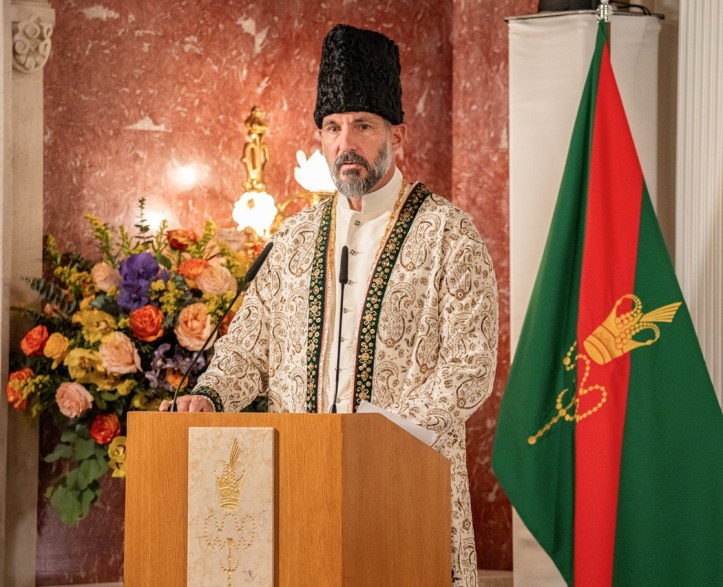
Prince Rahim Aga Khan V, born Rahim al-Hussaini on 12 October 1971 in Geneva, is the 50th hereditary Imam of the Shia Ismaili Muslims and the fifth spiritual leader to hold the title Aga Khan. He assumed leadership in February 2025 following the passing of his father, Prince Karim Aga Khan IV.
His accession marked a major moment of transition for the global Ismaili community, which numbers in the millions and is spread across Asia, Africa, Europe, and North America.
Raised in Switzerland within the Aga Khan family, Prince Rahim grew up in an international environment shaped by diplomacy, education, and philanthropy. He studied at Phillips Academy in Andover, USA, one of the most prestigious preparatory schools in the world, and later completed his undergraduate degree in Comparative Literature at Brown University in 1995.

His education reflected both a global outlook and preparation for leadership within the family’s extensive humanitarian institutions. Before becoming Imam, Prince Rahim was closely involved with the Aga Khan Development Network (AKDN), one of the world’s largest private development organizations. Over the years, he worked in various senior capacities, particularly focusing on environmental protection, climate resilience, rural development, education, and poverty alleviation.
His role within AKDN helped shape policies aimed at improving quality of life in developing regions through sustainable and long-term development strategies.
Following his succession in 2025, Prince Rahim became the head of the global Ismaili Imamat and chair of the AKDN. In this role, he oversees a wide range of institutions including hospitals, universities, cultural preservation initiatives, and development programs across multiple continents. His leadership is widely viewed as a continuation of his father’s legacy, with a strong emphasis on modernization, sustainability, and global cooperation.
Prince Rahim Aga Khan and Pakistan
Prince Rahim Aga Khan V has a long and multifaceted relationship with Pakistan, rooted in the decades-long work of the Aga Khan Development Network (AKDN), which has been active in the country for over a century. Under his leadership roles within AKDN, Pakistan has remained one of the most important focus countries for development projects in education, healthcare, rural uplift, and climate resilience.
The network operates extensively in regions such as Gilgit-Baltistan, Chitral, Sindh, and parts of Khyber Pakhtunkhwa, where it has contributed to building schools, hospitals, and community-based development institutions.
A significant aspect of Prince Rahim’s connection with Pakistan is the strong institutional partnership between AKDN and the Government of Pakistan. This collaboration has continued across different administrations, with a shared focus on improving living standards in underserved and remote areas.
In recent engagements, Pakistani leadership has repeatedly emphasized AKDN’s contributions in sectors such as healthcare delivery, disaster response, education reform, renewable energy, and youth development, especially in vulnerable regions like Gilgit-Baltistan and Chitral.
Prince Rahim has also personally engaged with Pakistan through official visits, meetings with senior government officials, and field visits to AKDN projects. During his visits, he has met the President and Prime Minister of Pakistan and reviewed development initiatives on the ground.
These interactions often highlight the continuation of a long-standing partnership aimed at strengthening social development systems and expanding access to essential services in remote communities.

One of the most visible recognitions of his connection with Pakistan came when he was awarded the Nishan-i-Pakistan, the country’s highest civilian honour, in recognition of his and AKDN’s services in improving the quality of life of marginalized communities. This award reflects the deep appreciation of Pakistan’s leadership for the Aga Khan family’s historical and ongoing contributions to national development.
Prince Rahim Aga Khan first visit as Imam to Pakistan
His Highness Prince Rahim Aga Khan V is currently on a landmark official visit to Pakistan, marking his first trip to the country since becoming the 50th hereditary Imam and spiritual leader of the Shia Ismaili Muslim community earlier this year. The week-long visit has drawn extraordinary attention across Pakistan, especially in Gilgit-Baltistan and Chitral, where thousands of Ismailis gathered for spiritual ceremonies, community meetings and public receptions.
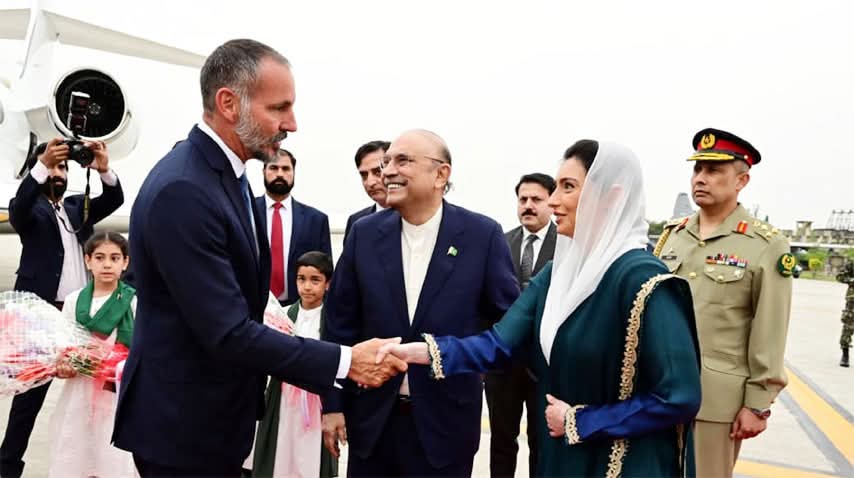
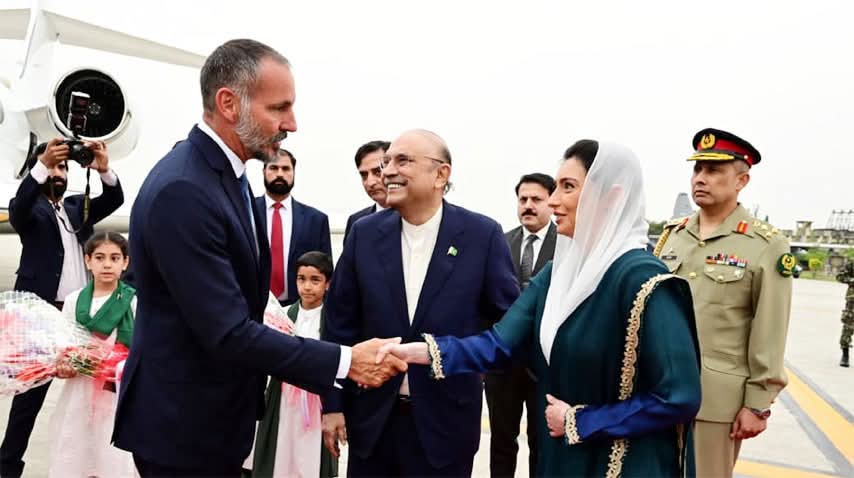
Prince Rahim arrived in Islamabad on May 20 and was received at Nur Khan Airbase by President Asif Ali Zardari and First Lady Aseefa Bhutto Zardari. The visit was treated as a state occasion, with a formal guard of honour at Aiwan-e-Sadr and high-level meetings involving Pakistan’s political and military leadership.
A Visit Beyond Ceremony
The significance of the visit extends far beyond protocol. Analysts and community leaders view it as a moment that blends spiritual leadership, development diplomacy and regional engagement. Pakistan hosts one of the world’s largest Ismaili populations, particularly in the mountainous northern regions where the Aga Khan Development Network (AKDN) has played a transformative role for decades.
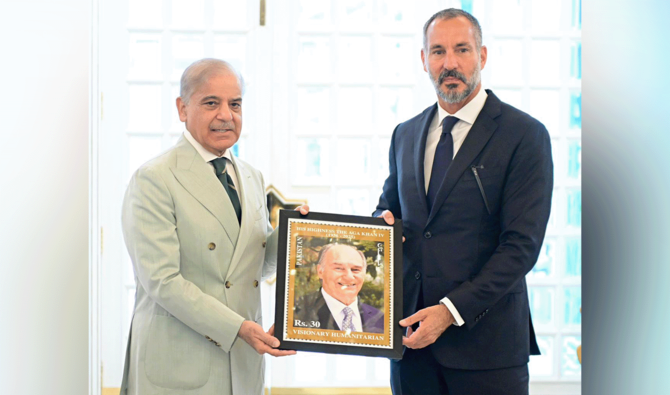
Prime Minister Shehbaz Sharif hosted Prince Rahim during his Islamabad engagements and praised AKDN’s contribution to healthcare, education, climate resilience and poverty reduction in Pakistan. Discussions reportedly focused on expanding development partnerships, especially in climate-vulnerable northern areas.
The Aga Khan family’s legacy in Pakistan stretches back to the country’s founding years. AKDN institutions have established schools, hospitals, rural support programmes and heritage conservation initiatives across remote communities. The visit reinforced Islamabad’s close relationship with the Aga Khan institutions, which are widely respected across sectarian and political lines.
Emotional Scenes in Gilgit-Baltistan and Chitral
After Islamabad, Prince Rahim travelled to Gilgit-Baltistan and Chitral, where preparations for his arrival had reportedly been underway for weeks. Large public gatherings were organised in Passu, Gilgit City, Gahkuch Bala and Taus Yasin, with authorities arranging transport, electricity supply and security for the massive crowds expected to attend.
In Hunza and Chitral, emotional scenes unfolded as thousands of followers gathered for Didar ceremonies — rare spiritual meetings between the Imam and the Ismaili community. Witnesses described the atmosphere as deeply moving and spiritually significant.
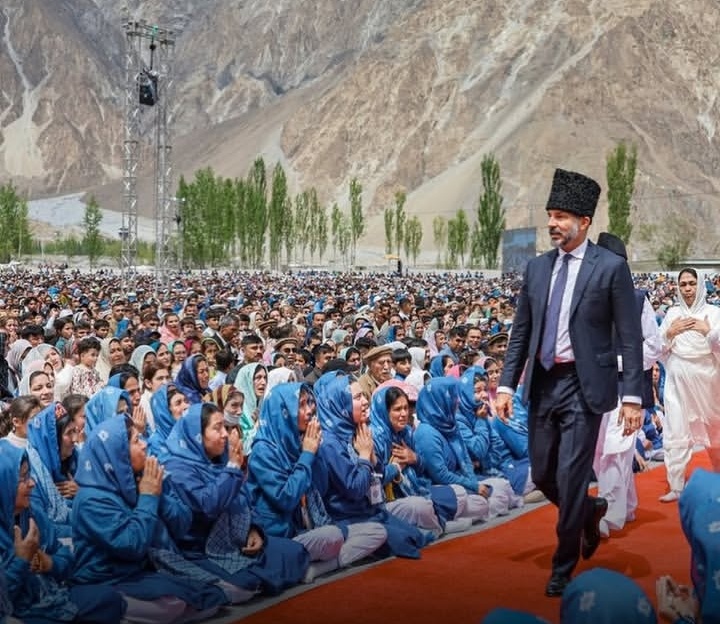
During his addresses, Prince Rahim repeatedly emphasised unity, education, faith and social harmony. Speaking in Hunza, he urged families and communities to remain united, saying strong communities create stronger societies.
The visit has also generated widespread goodwill outside the Ismaili community. Social media posts and community reactions from Gilgit-Baltistan highlighted the Aga Khan institutions’ long-standing role in improving education, healthcare, tourism and rural livelihoods across the northern areas.
Investment, Education and Development Agenda
The visit has also carried a strong economic and development dimension. During a meeting in Chitral with Khyber Pakhtunkhwa Chief Minister Sohail Afridi, Prince Rahim reportedly assured investment in the province and discussed the possible establishment of an Aga Khan University and hospital in Peshawar.
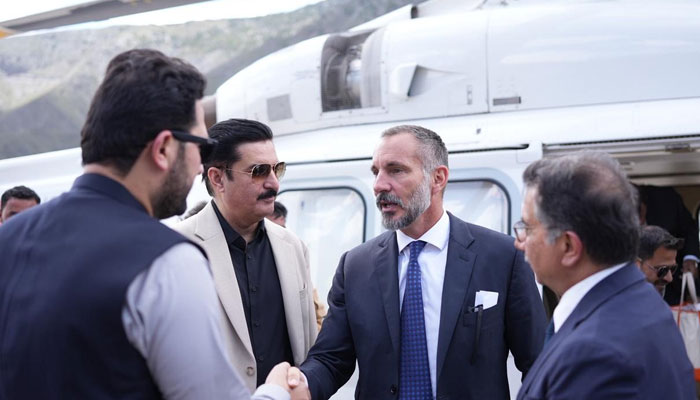
Observers believe these discussions could pave the way for expanded AKDN involvement in northern Pakistan, especially in healthcare, renewable energy, digital infrastructure and climate adaptation projects.
The AKDN already operates major institutions in Pakistan, including Aga Khan Development Network, Aga Khan University and the Aga Khan Rural Support Programme, which have played critical roles in social development and community empowerment for decades.
Why This Visit Matters?
Prince Rahim’s Pakistan tour comes at a time when the country faces economic uncertainty, climate pressures and political polarisation. In that context, the visit has projected themes of stability, service and community resilience.
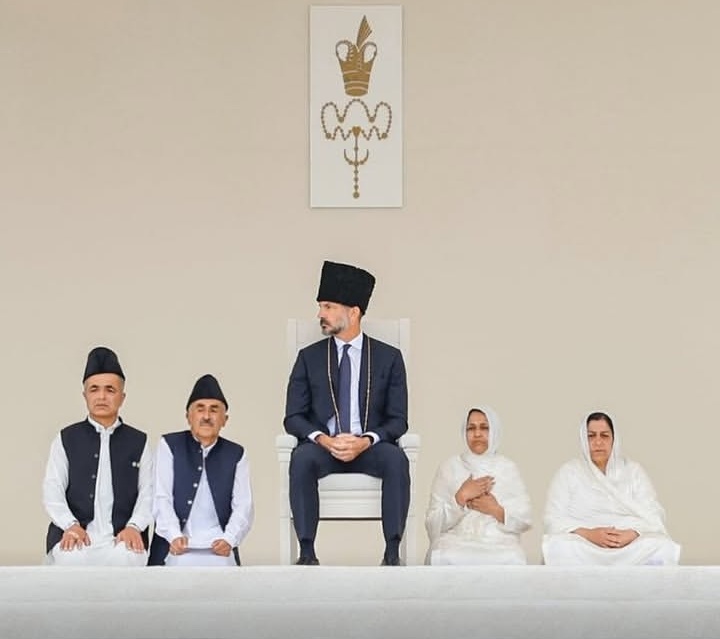
For Pakistan’s Ismailis, the trip marks a historic spiritual moment following the passing of Prince Karim Aga Khan IV in 2025. For the Pakistani state, it reinforces an important partnership with one of the world’s most influential Muslim development networks. And for the northern regions, it represents renewed international attention toward communities often overlooked despite their strategic and cultural importance.