By: Syed Feroz Ahmed
Tensions between Iran and the United States have intensified in recent months , raising concerns about security in the Middle East, global oil supplies, and international relations. Strategic locations, such as “Kharg Island” which handles a significant portion of Iran’s oil exports are under close observation. While some media reports may exaggerate the threat of war, the situation remains serious and complex.
The U.S. and Iran have been geopolitical rivals since the Iranian Revolution of 1979. Recent military activity, including airstrikes and involvement in regional conflicts, has further heightened tensions. Iran exerts influence in countries such as Iraq, Syria, and Yemen, while the U.S. maintains military presence in the region to safeguard its allies and interests. Any miscalculation could have serious consequences for regional stability.
International dynamics play a critical role. China, a major importer of Iranian oil, is monitoring developments closely and is more likely to respond through economic or diplomatic measures rather than military action. Other global players including Russia, the European Union, and Gulf states are also closely observing the situation. Any escalation could disrupt global trade, energy supply, and diplomatic relations.
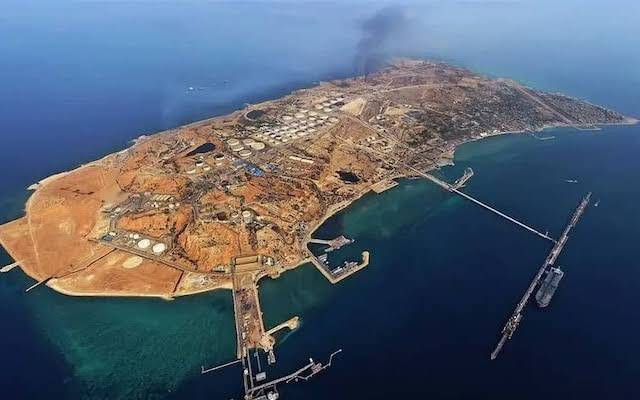
The Strait of Hormuz is another strategically critical area. This narrow waterway, situated between Oman and Iran, channels nearly one-fifth of the world’s oil supply. Disruptions to shipping could cause global oil prices to surge, affecting energy markets worldwide.
The United States routinely patrols the Strait and deploys naval forces to ensure the safe passage of international shipping, underscoring its strategic importance.
Oil markets are particularly sensitive to regional tensions. Even minor threats to Iran’s oil exports can drive prices up by 5–15%, while a major conflict could trigger more significant increases. Rising oil prices affect transportation, shipping, heating, and overall costs of goods and services, creating economic challenges for businesses and households alike.
For the general public, these effects are mostly indirect but tangible. Gasoline, heating, and electricity prices may rise, and shipping costs can increase the prices of groceries and consumer goods. While daily life continues, households may feel the strain of higher living costs.
Pakistan could face significant implications. As a major importer of oil and gas, rising prices could exacerbate inflation and economic pressures.
Additionally, Pakistan shares a border with Iran, making regional security a direct concern. Maintaining neutrality, supporting dialogue, and advocating peaceful solutions, while protecting its own economic and security interests, will be crucial.
Under the current political landscape, Pakistan must carefully navigate its Middle East relationships. This includes balancing ties with Gulf states such as Saudi Arabia and the UAE, engaging constructively with Iran, and coordinating with international partners, including the United States.
Prioritizing diplomacy, conflict prevention, and regional stability will be essential for safeguarding Pakistan’s interests.
From a military perspective, a full-scale war remains unlikely at this stage. Both Iran and the U.S. are aware that prolonged conflict would entail severe political and economic costs.
Limited military actions, airstrikes, and proxy conflicts are more probable than an all-out war. The situation is best described as a tense standoff rather than direct warfare.
Looking ahead, there are three primary scenarios:
Diplomatic solution Negotiations or mediation could help reduce tensions.
Limited conflict
Minor military actions or regional skirmishes may occur without broader escalation.
Escalation
Though less likely, miscalculations could draw in regional or global powers.
The most probable outcome is sustained tension with occasional clashes and economic repercussions rather than a full-scale war. International diplomacy and pressure from major actors such as China, Russia, and the EU will be critical in stabilizing the situation.
CONCLUSION
The Iran–US standoff is a global issue, with repercussions from the Middle East to Pakistan and Europe. Rising oil prices and trade disruptions could worsen inflation, strain economies, and heighten geopolitical uncertainty worldwide. While full-scale war is unlikely, careful diplomacy, multilateral pressure, and regional cooperation are essential to prevent escalation. Pakistan and other actors can play a constructive role by promoting dialogue, maintaining balanced relations, and safeguarding stability amid this high-stakes standoff.