Editor’s analysis: WWA special edition on US Iran war & peace deal
From Conflict to Diplomacy: How the Crisis Began
After months of military tensions, diplomatic deadlock, economic pressure and growing regional instability, the United States and Iran have reached a major diplomatic understanding aimed at ending hostilities and beginning a structured peace process.
The latest phase of the crisis began on February 28, 2026, when tensions between the United States, Israel and Iran escalated into direct confrontation. The conflict quickly expanded beyond Iran’s borders, affecting regional security, global energy markets and international trade routes.
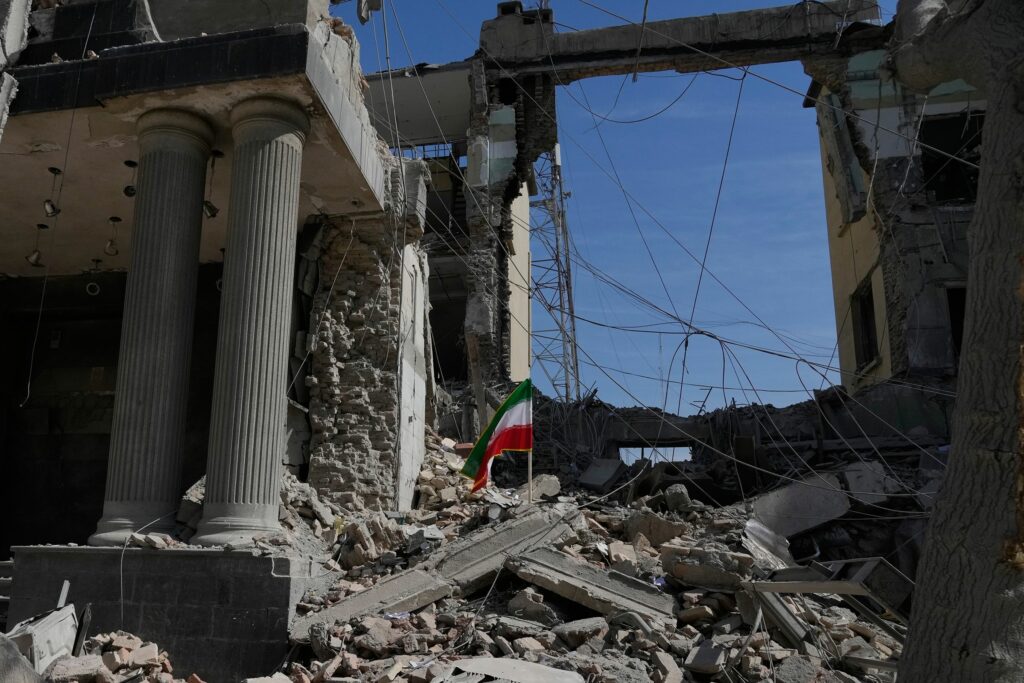
As fighting intensified, concerns grew over the security of the Strait of Hormuz, one of the world’s most important energy corridors through which a significant share of global oil supplies passes. The situation also increased instability in Lebanon and raised fears of a wider Middle East conflict.
Pakistan’s Role in Bringing Washington and Tehran Together
Amid rising tensions and a diplomatic deadlock between Washington and Tehran, Pakistan emerged as a key mediator in the peace process.
Using its diplomatic relations with Iran, the Gulf states and the United States, Islamabad launched efforts to reduce tensions and create space for dialogue. Pakistan initially helped facilitate temporary ceasefires before hosting direct discussions between senior American and Iranian representatives.
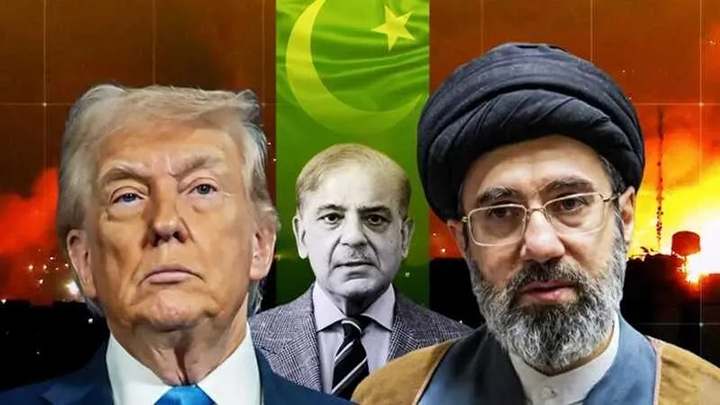
Although early negotiations did not immediately produce a final agreement, they helped establish the foundation for further talks. Pakistan continued diplomatic engagement through shuttle diplomacy, working alongside regional partners including Qatar, Saudi Arabia and Türkiye.
These efforts eventually helped bring the United States and Iran back to the negotiating table, leading to what has been described as a major diplomatic breakthrough.
The Islamabad Memorandum: A Landmark Agreement
On June 14, 2026, the United States and Iran announced an understanding to halt military operations and begin a formal peace process. The agreement was later formalized through a 14point Memorandum of Understanding known as the Islamabad Memorandum.
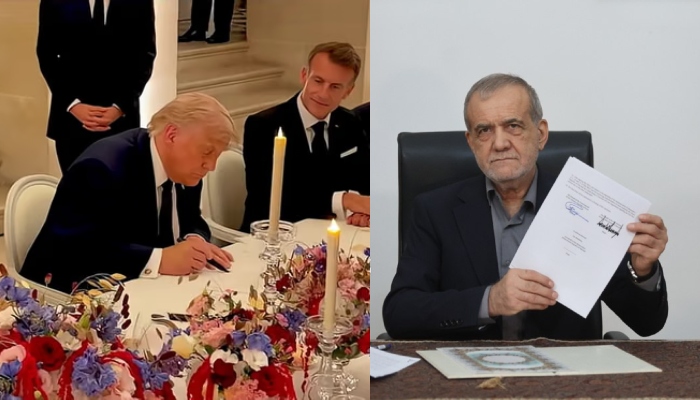
The agreement received international attention, with world leaders welcoming the diplomatic progress and acknowledging Pakistan’s role in facilitating communication between two longstanding rivals.
Key Points of the Agreement
Immediate End to Military Operations
The memorandum calls for an end to military actions across all fronts, including areas connected to the Lebanon conflict.
Sixty-Day Negotiation Framework
A 60-day diplomatic process has been established to negotiate a broader and permanent settlement. The talks are expected to continue in Switzerland under international supervision.
Economic Recovery and Investment Support
The agreement includes measures aimed at supporting Iran’s economic recovery, including mechanisms linked to reconstruction, financial access, investment opportunities and economic engagement.
Gradual Sanctions Relief
The memorandum outlines a phased approach toward easing American and international sanctions on Iran as part of the broader peace framework.
Strait of Hormuz Security
Iran has committed to ensuring safe passage for commercial vessels through the Strait of Hormuz, easing concerns over disruptions to global energy supplies.
Nuclear Commitments
Iran has reaffirmed that it will not pursue nuclear weapons and has agreed to continued international monitoring through the International Atomic Energy Agency (IAEA).
Switzerland Talks: Iran and US Agree on Roadmap Toward Final Deal
The first round of high-level negotiations between Iran and the United States, mediated by Pakistan and Qatar, concluded at the Burgenstock Resort in Switzerland, with all sides agreeing on a 60-day roadmap aimed at achieving a final agreement.
According to a joint statement issued by Qatar and Pakistan, the talks were conducted under the framework of the Islamabad Memorandum and included representatives from Iran, the United States, Pakistan and Qatar.
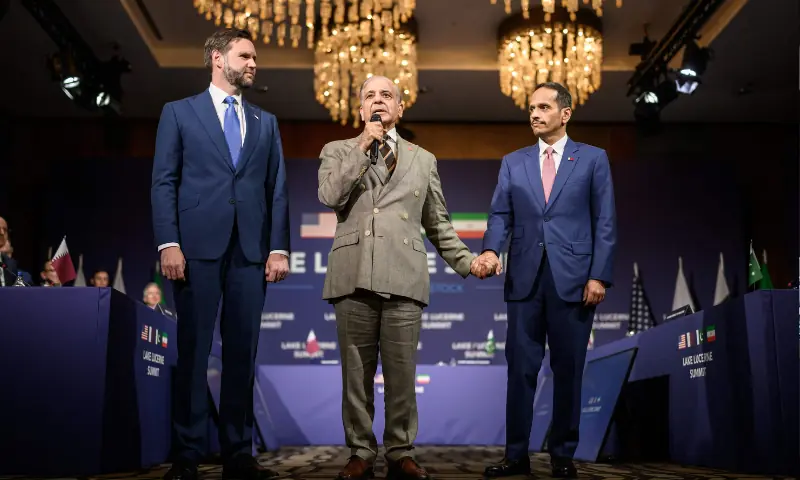
The discussions were described as taking place in a “positive and constructive atmosphere”, with participants noting progress and the creation of mechanisms for continued technical negotiations.
High-Level Committee and Technical Working Groups Established
As part of the agreement, a High-Level Committee has been formed to oversee the mediation process and provide political guidance.
The chief negotiators will regularly report to the committee, while specialized working groups will focus on key issues including Iran’s nuclear programme, sanctions, implementation procedures and dispute resolution mechanisms.
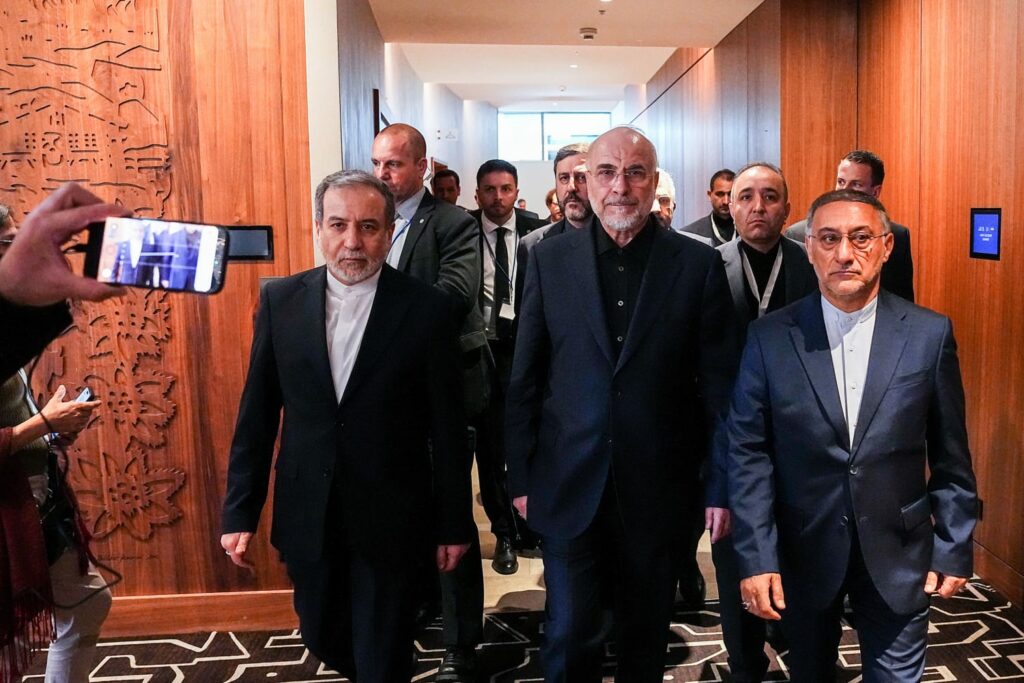
The committee has approved a roadmap aimed at reaching a final agreement within 60 days, allowing technical discussions to continue immediately.
Confidence-Building Measures and Lebanon Issue
One of the major confidence-building steps includes the establishment of a direct communication channel between the negotiating parties to prevent incidents and misunderstandings in the Strait of Hormuz and ensure the safe movement of commercial ships.
The agreement also includes the creation of a de-confliction cell involving the negotiating parties and Lebanon, facilitated by mediators, to support the implementation of the cessation of military operations in Lebanon.
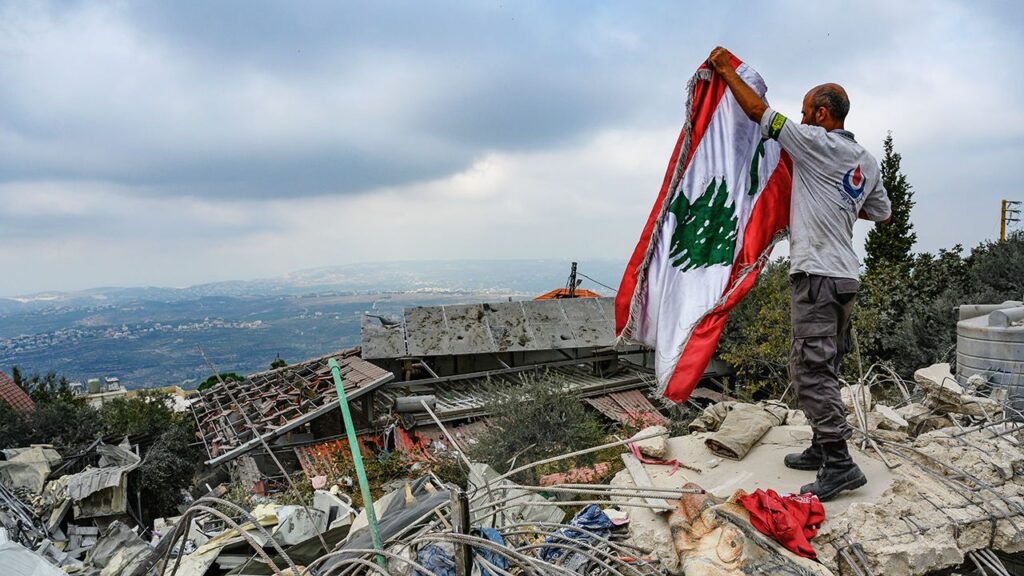
The Lebanon issue remains one of the most sensitive parts of the broader peace process. The agreement seeks to reduce tensions linked to regional proxy conflicts and prevent actions that could undermine diplomatic efforts.
A New Chapter for Iran
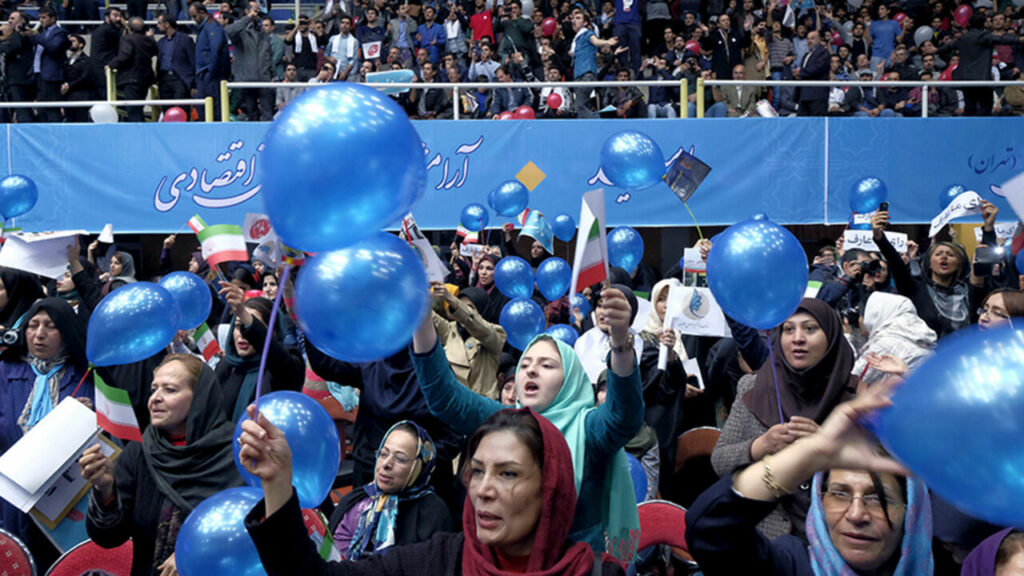
For Iran, the agreement could mark the beginning of a new phase after years of sanctions and months of conflict.
If implemented successfully, sanctions relief, foreign investment, restored trade access and reconstruction opportunities could help revive Iran’s economy. Analysts believe the deal could create opportunities for infrastructure development, industrial recovery and greater engagement with international markets.
Global Impact of the Agreement
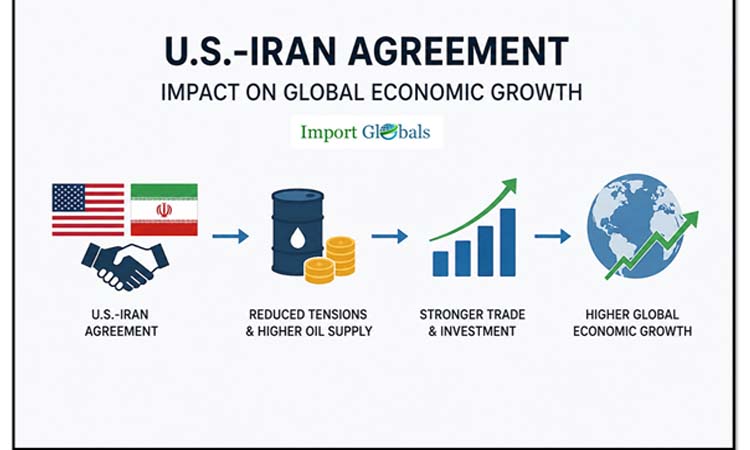
The US–Iran understanding could have wide-ranging consequences, including:
- Reduced risk of a broader Middle East war
- Greater stability in global energy markets
- Improved security for international shipping routes
- Increased investor confidence in the region
- Reduced tensions involving Lebanon and other regional flashpoints
- Strengthened diplomatic influence for Pakistan Pakistan’s Diplomatic Achievement
The successful conclusion of the Islamabad Memorandum represents a significant diplomatic milestone for Pakistan.
Throughout the crisis, Prime Minister Shehbaz Sharif and Field Marshal Syed Asim Munir remained engaged with regional and international leaders, supporting diplomatic efforts aimed at reducing tensions and encouraging dialogue.
Their engagement, along with Pakistan’s diplomatic network, contributed to creating conditions for negotiations between Washington and Tehran.
The agreement has strengthened Pakistan’s image as a credible mediator capable of contributing to international peace and regional stability. It may also open new opportunities for strategic cooperation with global partners.
The Road Ahead
Although the agreement represents a major step toward de-escalation, its long-term success will depend on implementation, continued negotiations and the ability of all parties to maintain trust.
The 60-day roadmap and ongoing technical discussions will determine whether the current breakthrough develops into a comprehensive peace framework.
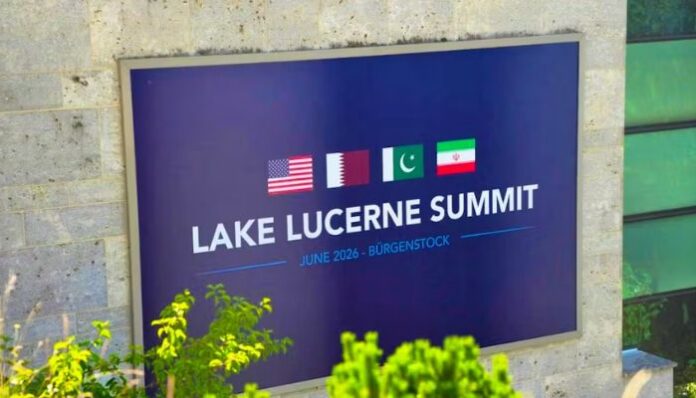
The Lake Lucerne Summit and the Islamabad Memorandum are being viewed as important diplomatic efforts that could reshape regional relations and mark a new era of engagement between Iran and the international community.